Not every investor had a rough 2020. Some people foresaw that airline and energy stocks would take a massive hit once everyone was locked in at home. And those who thought that e-commerce and certain tech businesses would boom turned in a decent profit by buying outstanding recovery stock for cheap. But a lot of investors had a rough 2020. Their portfolios dropped in value, and dividend income took quite a hit.
Weirdly, Warren Buffett doesn’t fall neatly into either of those categories.
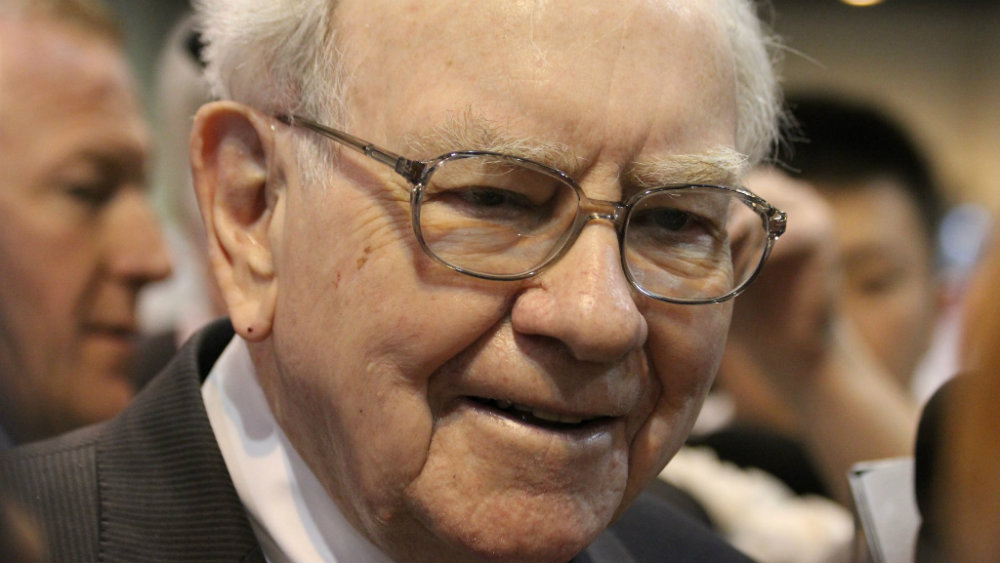
Image source: The Motley Fool
Warren Buffett’s investment performance in 2020
While Buffett wasn’t exactly sitting on his hands during and after the pandemic, he also didn’t buy as much as people expected him to, especially considering the huge cash pile Berkshire Hathaway was sitting on. His company only returned 2.5% for the year, which is relatively low compared to S&P 500. And if we take a deeper look into the portfolio, we see a broad spectrum of performances.
Some of Buffett’s investments did amazing, especially Apple, which now makes up nearly half of Buffett’s entire portfolio. An even better performance was seen by Buffett’s first IPO investment in a decade: Snowflake. The company grew its market value by 134% in 2020. Amazon also proved to be quite a profitable investment.
On the other end of the spectrum are the airline stocks Buffett unloaded in 2020. He also bought into some healthcare businesses, but only Abbvie offered decent returns. Three out of his top four investments (BOA, Coca-Cola, and American Express) suffered significant losses in 2020.
Even though he did reduce his stake in some financial institutions, constituents like Wells Fargo, which makes up 1.3% of Berkshire’s portfolio, still contributed to the lacklustre performance by posting a loss of 43.5%.
Overall, it wasn’t as impressive a performance as people are used to. But investors are unlikely to defect, because even though Buffett has started handing away the reins of his empire, the successors haven’t disappointed yet.
An unexpected exit
Buffett made many unexpected moves in 2020, including exiting his Restaurants Brands International (TSX:QSR)(NYSE:QSR) position, a company he helped form. RBI is not performing as well as some of the other competitive fast-food or coffee chains, but it still recovered quite well after the pandemic. It didn’t slash its dividends, despite suffering through a high payout ratio (111.35%).
And since the company has joined the ranks of aristocrats, it might sustain its dividends, if only to keep the investors loyal. The current yield is 3.66%. Two out of its three businesses performed poorly during the pandemic, but one of the brands (Popeyes) performed well enough to even things out.
Foolish takeaway
Warren Buffett didn’t buy too many distressed businesses after the last crash, which means he still finds many of them to be overpriced. But if the market is due for a correction or another crash in 2021 which knocks down most of the stocks to or below their fair valuation, Buffett might put his company’s cash pile to good use.