Russia has launched the biggest war on Ukraine since World War II. Every day, there’s talk of negotiations going down the drain. Countries worldwide are threatening each other by showing off their nuclear power. In this power feud, the people and the economy are suffering. No one wins in a war. It only destroys civilizations, breaks the economy, and — the most gruesome effect — results in the loss of human lives. The longer the war runs, the bigger the impact. All parties and allies face consequences.
The war has disrupted global trade and boosted commodity and energy prices. People of Ukraine are fleeing the country. Canada, along with some other countries, is welcoming immigrants. Canada is a part of the North Atlantic Treaty Organization (NATO), and, as a member, it announced sanctions on Russia.
The possible impact of the Russia-Ukraine war on the global economy
Housing one of the largest oil and gas reserves, Russia plays a strategic role in the global economy. Russia has been in a cold war with the western countries. It wanted to protect its borders from NATO, but Ukraine wanted to join the alliance. After years of talks, Russia went ahead and started invading Ukraine.
SWIFT sanctions
The United States and Canada have imposed sanctions on SWIFT payments to Russia and its supporters. However, many European countries have stalled the SWIFT sanctions, as they depend heavily on Russian natural gas. Imposing sanctions can have significant consequences on the international financial systems, and banking stocks could take a hit.
Thankfully, the war has not yet affected the natural gas pipelines that run through Ukraine. Russia exports 39% of Europe’s natural gas needs through these pipelines. If there is even a slight disruption to these pipelines, energy prices could skyrocket, and Europe could fall under a severe energy crunch.
Disruption in energy supply
Europe’s energy crisis would also impact the West, as the United States would supply natural gas to Europe while paying a high price for it at home. The inflation could skyrocket to 9% in March, as predicted by Bloomberg Economics.
One important thing to note is sanctions do not apply to oil and natural gas supply. Europe depends on Russia for 39% of its natural gas needs. European Union did a stress test for the bloc’s energy security last year, and in all, it didn’t even consider an alternative if Russia were to cut off the natural gas supply. Europe will be in a fix if Russia retaliates the sanctions by stopping the natural gas supply. Bloomberg Economics expects such a move could wipe out 3% of the economy.
If the war comes to this level, Russia, Europe, and the United States could go into recession. Energy prices could jump to levels where they impact the real income. It would make logistics expensive, pushing up prices for almost everything. People would spend a large portion on energy that could impact their spending on other goods, which could impact the GDP. All this doesn’t include any spillovers, like cyberattacks from Russia, that could lead to a market crash.
How to protect your investment portfolio from the war
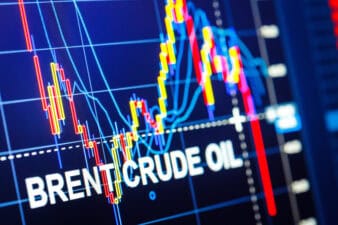
The only stocks that would benefit from the war are energy stocks, including oil and natural gas. Canada could stand to benefit, as it houses the world’s third-largest oil sands reserves. If the war is curbed, the oil price will sustain at current levels. But if the war escalates, oil prices will surge, and Suncor Energy and Cenovus Energy will be able to sell their products at a higher price. Suncor is trading near its 52-week high, with a dividend yield of 4.4% at the time of the writing. You could be up for some strong dividend growth and bonuses.
Enbridge could also benefit from the war. It has the largest pipeline infrastructure in North America. Now that the United States transports natural gas to Europe, it would import more oil and natural gas from Canada. Enbridge pipelines could see heavy volumes transmitted in the coming days.