Bitcoin’s (CRYPTO:BTC) price has stabilized, after a huge bear market earlier this year. As of this writing, BTC was at US$20,976—virtually unchanged over the preceding 30-day period. A few weeks ago, Bitcoin’s collapse entered truly dangerous territory, when the cryptocurrency fell below US$19,000. It recovered from that level, but hasn’t moved much since bottoming out.
Why is Bitcoin doing so poorly this year?
There are myriad reasons why Bitcoin is doing poorly, most of which ultimately come down to “people are selling.” That’s true of any asset that goes down in price, though, so it doesn’t tell us much. To really understand why Bitcoin’s price is falling, we need to look at some factors that could be causing people to sell.
One potential factor is rising interest rates. The Federal Reserve and Bank of Canada are raising interest rates this year, and risky assets are falling as rates rise. High interest rates are generally thought to make risky assets less desirable, because they reduce their present value in a discounted cash flow (DCF) model. In this article I will explore the phenomenon of rising interest rates and explain why it isn’t bullish for Bitcoin.
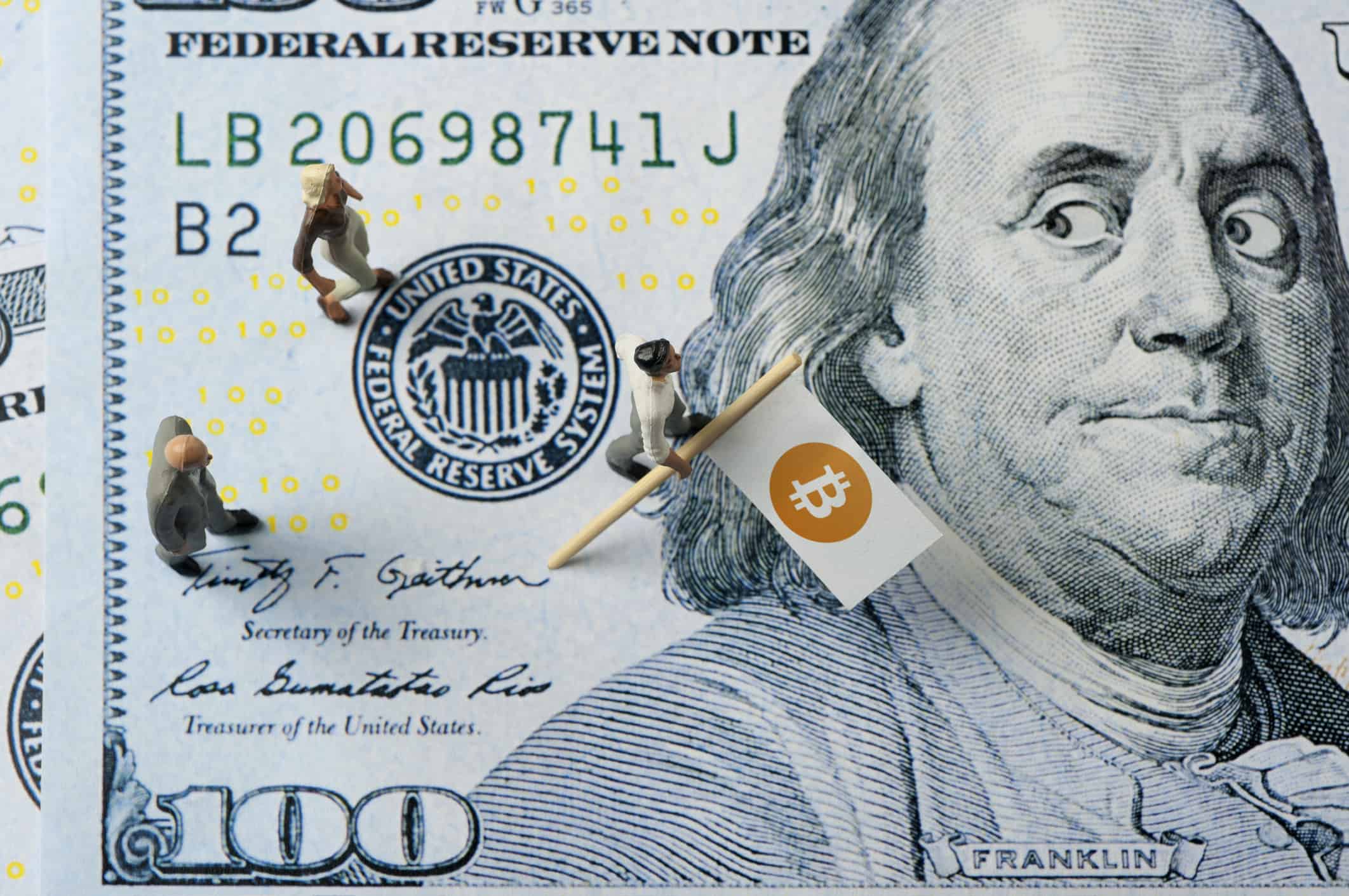
Image source: Getty Images
How interest rate hikes make risky assets less valuable
Interest rate hikes make assets less valuable because they increase the amount of return available risk free. When central banks raise rates, the “risk-free return” available on treasuries, GICs and savings accounts increases. In response, people often put more money in the bank, as the value of savings accounts increases.
This phenomenon can be represented mathematically in a discounted cash flow (DCF) model. In a DCF model, the value of an asset is the sum of all of its future cash flows, divided by the discount rate. The higher the discount rate, the lower the value of the cash flows. This effect impacts all assets, but it affects high-growth assets the most severely, because the percentage change in present value is the highest when the cash flows grow rapidly.
How this applies to Bitcoin
On the surface, it looks like a DCF valuation model wouldn’t apply to cryptocurrency. Crypto has no cash flows to speak of: why should it go down in value when interest rates go up? But think about why high interest rates make high-growth assets less appealing. There must be a reason why we divide each cash flow by a discount rate. The reason is that the discount rate is the opportunity cost of the investment. Anytime you choose to invest in Bitcoin, tech stocks, or anything else, you’re choosing not to invest at the risk-free rate. The higher the risk-free rate goes, the less sensible that decision becomes.
Foolish takeaway
These days, many people are buying Bitcoin on the dip, hoping that it will go up in price again. It may go up in price again, but the macroeconomic factors do not favour that outcome. High interest rates do not incentivize risky, speculative investing. So, BTC bulls should be prepared for at least another few months of turbulence.