Canadian investors may have already come across multiple reasons to start investing right now. After all, the market continues to offer some major deals as well as growth in certain areas. Yet, if you’re new to investing, this can be quite difficult to manage. Meanwhile, there is the very real fear that you’re missing out on opportunities.
Today, let’s go over why an exchange-traded fund (ETF) could be an excellent idea to get started with investing. And one ETF that is perhaps the best option out there on the TSX today.
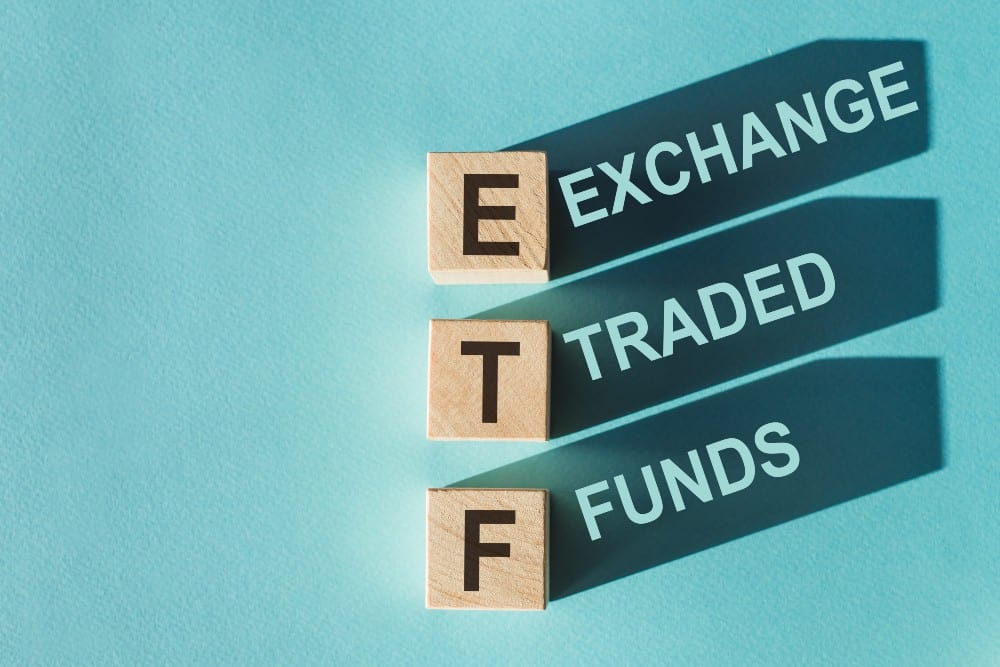
Image source: Getty Images
Why ETFs
First off, why ETFs? There are numerous reasons to consider ETFs if you’re new to investing. For instance, ETFs typically hold a diversified portfolio of assets, such as stocks, bonds, or commodities. This diversification helps spread risk across various investments, reducing the impact of any single asset’s performance on your overall investment.
Furthermore, ETFs usually have lower expense ratios compared to actively managed mutual funds. Since ETFs passively track an underlying index, they don’t require active management by a fund manager, resulting in lower fees.
What’s more, ETFs are traded on stock exchanges, just like individual stocks. This means you can buy and sell them throughout the trading day at market prices, providing flexibility and liquidity. And finally, there is no minimum investment. Just like stocks, you can put in as much or as little as you want.
What to look for
While an ETF is great, there are still so many options out there — thousands, even! This is why it’s important to understand a few things about ETFs before you dive in. To start, look for ETFs with low expense ratios. This is the annual fee charged by the fund to cover operating expenses. Lower expense ratios mean more of your investment returns stay in your pocket rather than going to fees.
From there, assess the ETF’s holdings to ensure adequate diversification. A well-diversified ETF spreads risk across multiple securities, reducing the impact of any single holding’s performance on your overall investment. Furthermore, consider the size and age of the ETF. Established ETFs with a longer track record may offer more stability and reliability compared to newer funds. However, newer funds may provide exposure to emerging trends or niche markets.
Finally, make sure the ETF aligns with your overall goals. If you’re going to want to access the funds sooner, you’ll want an ETF that’s aligned with higher growth. However, there are also ETFs focused on retirement years. No matter what you’re looking for, there’s one for you.
An option to consider
Now, if you’re new to investing, a strong option to consider is BMO MSCI All Country World High Quality Index ETF (TSX:ZGQ). This ETF aims to replicate the performance of the MSCI All Country World High Quality Index. This index consists of high-quality companies from both developed and emerging markets around the world.
The ETF invests in companies that exhibit strong financials and stable earnings. These companies typically have high return on equity, low debt-to-equity ratios, and consistent profitability. The focus on high-quality companies aims to provide investors with exposure to companies with durable competitive advantages and strong fundamentals.
Shares of the ETF are already up 14% year to date, with a 1.22% dividend yield. Over time, the company has climbed by 215% in the last decade alone! And at a fairly steady clip. So, if you’re new to investing and want to get started, ZGQ ETF is certainly an excellent place to start.