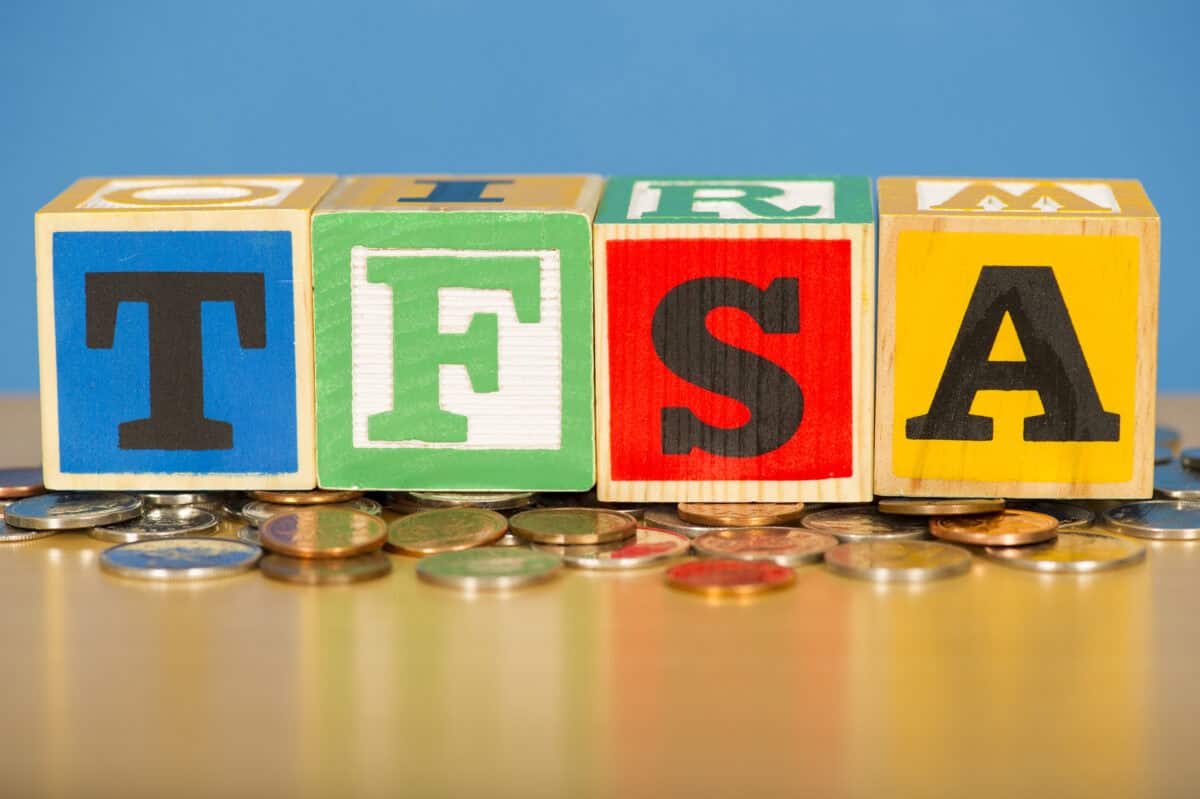
The Tax-Free Savings Account (TFSA) was introduced in 2009 and is among Canada’s most popular registered accounts. In 2025, the TFSA contribution room increased to $7,000, bringing the cumulative contribution room to $102,000.
Canadian investors should aim to leverage the tax-sheltered benefits associated with a TFSA and build long-term wealth. In this article, I strive to provide a few strategies to help you maximize your TFSA returns in 2025 and beyond.
Source: Getty Images
Focus on diversification
Investors must create diversified portfolios and lower overall risk. Basically, investors should hold various asset classes in a TFSA, including bonds, stocks, exchange-traded funds, and mutual funds.
While the equity markets are trading near all-time highs, Canadians should consider allocating funds toward other assets such as bonds and gold. Historically, gold has showcased an ability to thrive during economic turmoil, delivering inflation-beating returns to long-term investors. The precious metal has been viewed as a store of value and could stabilize your portfolio.
Further, aligning your investment choices with your risk tolerance is essential. Generally, younger investors should have a higher exposure to stocks, while those nearing retirement could have a higher allocation towards lower-risk assets such as bonds.
Buy the dip
In the near term, equity markets are highly volatile. However, Canadians should take advantage of this volatility and derive game-changing returns over the next decade. According to billionaire investor Warren Buffett, investors should be greedy when others are fearful, so you should have some dry powder ready when market sentiment turns bearish.
Over the last six decades, the S&P 500 index has returned 10% to investors on average despite multiple economic recessions, including the dot-com bubble and the great financial crash. In fact, during the financial crisis of 2008, the S&P 500 pulled back by more than 50% from all-time highs. However, investors who brought the dip would have seen their portfolio value grow by more than 12% annually over the next 10 years.
Reinvest dividends
Another key strategy to maximize your TFSA returns in 2025 is investing in quality dividend stocks trading at a discount. Holding blue-chip dividend stocks allows you to create a steady stream of recurring income at a low cost. However, reinvesting these dividends is crucial, as it should drive cumulative returns, especially if the payouts increase each year.
Brookfield Infrastructure Partners (TSX:BIP.UN) is one such TSX dividend stock that went public in September 2009. In this period, it has returned 645% to shareholders. However, total returns are much higher, at 1,520%, if we adjust for dividend reinvestments.
Brookfield Infrastructure stock trades 16% below all-time highs and offers you a tasty yield of 5.1%. The TSX stock pays shareholders an annual dividend of US$1.72 per share in 2025, up from US$0.47 per share in 2009, significantly enhancing the yield at cost.
Brookfield’s growth story is far from over, given that it continues to expand its portfolio of cash-generating assets, which should drive future cash flows and dividends higher. Despite a challenging macro environment in 2024, BIP increased its funds from operations by 6% to US$3.12 per share. So, priced at 10 times trailing FFO, BIP stock is relatively cheap given its tasty dividend yield and widening FFOs.
Canadian investors should identify other such dividend stocks with high dividend yields that trade at a compelling multiple in 2025.