Enbridge (TSX: ENB) is down about $5 per share from the 2025 high. Investors who missed the huge rally in 2024 are wondering if ENB stock is oversold and good to buy for a self-directed Tax-Free Savings Account (TFSA) or Registered Retirement Savings Plan (RRSP) focused on dividend income.
Source: Getty Images
Enbridge stock price
Enbridge trades near $60 per share at the time of writing. It recently dipped from above $64 to $56.50 before clawing back some of the losses. Over the past year, ENB is still up a solid 29%.
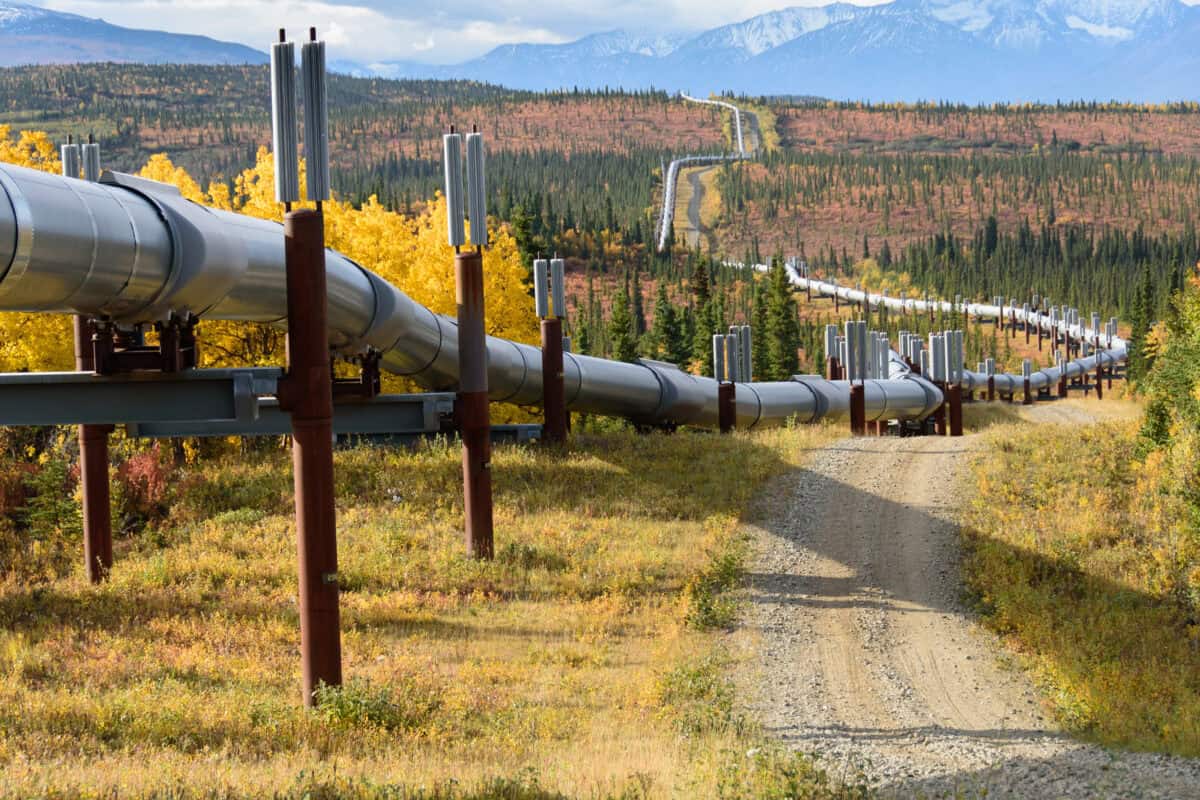
Enbridge is a major player in the North American energy infrastructure industry. The company is best known for its oil pipeline network, which moves about 30% of the oil produced in Canada and the United States. Enbridge’s natural gas transmission pipelines and storage facilities move roughly 20% of the natural gas used by American homes and businesses.
In recent years, the company shifted its growth investments to focus on exports, renewables, and gas utilities. Enbridge purchased an oil export terminal in Texas and is a stakeholder in the Woodfibre liquified natural gas (LNG) export facility being built on the coast of British Columbia, with an anticipated completion in 2027.
The company acquired the third-largest wind and solar developer in the United States, Tri Global Energy, in 2022 to expand its renewables portfolio.
In 2024, Enbridge completed its US$14 billion purchase of three natural gas utilities in the United States. The deals made Enbridge the largest natural gas utility operator in North America. These assets, combined with the existing natural gas transmission network, put Enbridge in a good position to benefit from the anticipated growth in natural gas demand. Tech companies are building gas-fired power facilities to provide electricity for artificial intelligence data centres.
Consolidation in the utility sector will likely continue and Enbridge has the financial firepower to make additional acquisitions. Organic growth is also part of the mix. Enbridge is working on a $26 billion capital program that will help drive expected growth in adjusted earnings before interest, taxes, depreciation, and amortization (EBITDA) of 7% to 9% through 2026. Distributable cash flow growth is targeted at a rate of 3%. This should support steady dividend increases.
Enbridge raised the dividend in each of the past 30 years. Investors who buy the stock at the current level can get a dividend yield of 6.3%.
Risks
Enbridge’s share price fell from $59 in June of 2022 to as low as $43 in early October 2023. The extended slide broadly tracked rising interest rates in Canada and the United States that occurred as the central banks battled to get inflation under control. High interest rates lead to rising bond yields and this drives up the cost of borrowing for companies that use debt to fund large capital programs.
The rebound in Enbridge’s share price started as soon as the Bank of Canada and the U.S. Federal Reserve indicated they were done raising rates. As soon as rate cuts began last year, Enbridge picked up a new tailwind.
New tariffs and a potential global trade war risk driving up inflation in the coming months. This could force the central banks to halt rate cuts or raise rates again, even as the economy weakens. At the same time, nervous investors started moving out of U.S. treasuries in the past week, driving up bond yields. In an environment where borrowing costs move higher, ENB stock could face new headwinds.
Buy ENB today or wait?
Near-term volatility should be expected, so I wouldn’t back up the truck. However, income investors might want to start nibbling and could look to add to the position on further downside. The dividend should be safe and you get paid well to ride out the market turbulence.