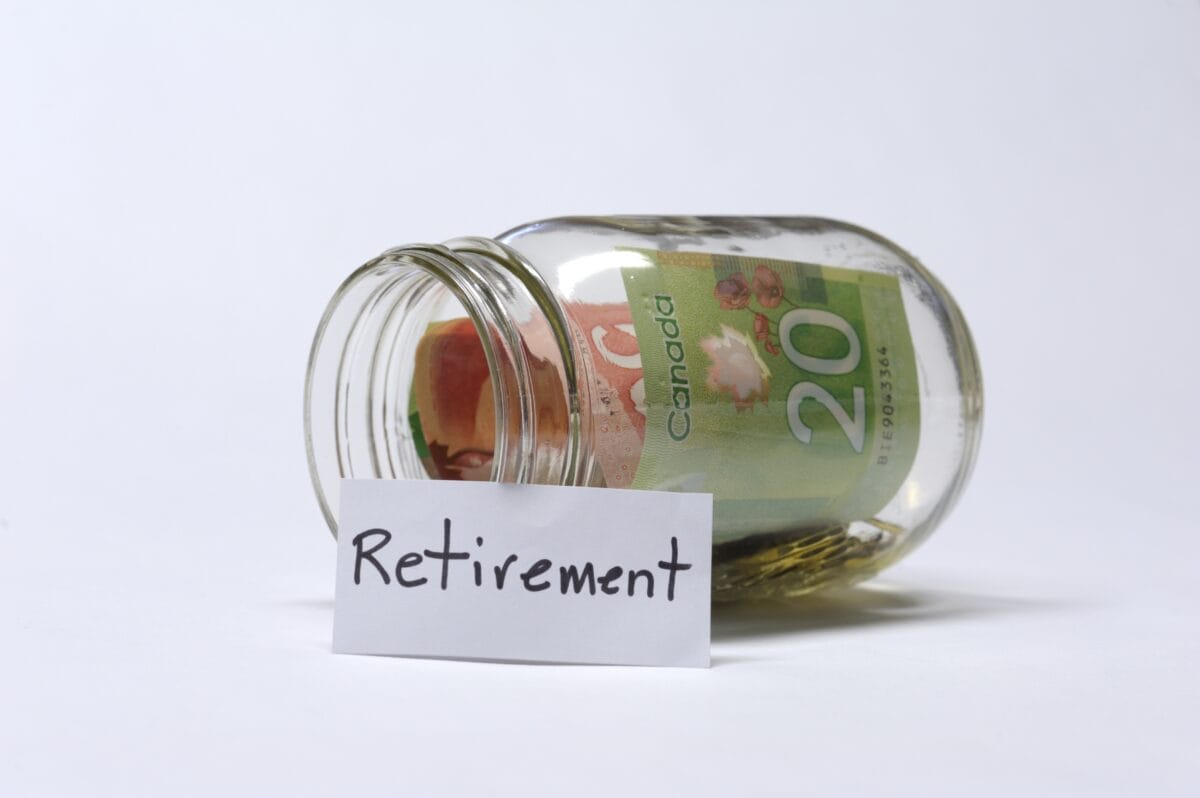
Investing with a goal in mind is easy when you know how much money you need to meet the goal. Putting an amount to the goal is easy when it is a short-term goal, like a car or vacation. However, it becomes tough when the goal is long term, such as retirement. The TFSA can play a major role in retirement planning. Here’s how.
Source: Getty Images
How much money might you need to retire
If you are in your 30s and have an annual expense of $50,000, would it be right to say that you need $1.25 million to retire, which can give a $50,000 annual payout for 25 years? You still have 25 to 30 years to retire. By the time you near retirement, your annual expenses will be higher than today after adding inflation and other expenses.
How do you determine how much you need to retire? The truth is, there is no absolute dollar amount. It is a dynamic goal that needs a dynamic investment approach. The right way to look at the money needed to retire is to earn your last drawn salary before you retire in the form of passive income. The retirement portfolio is growing above inflation. Why so?
Canada’s average inflation is 3%. However, medical inflation and prices of other goods grow faster than average—your consumption basket changes with age. Your retirement portfolio should grow at the rate at which the biggest expense in your consumption basket is growing. Suppose John is not in good health and needs consistent long-term care. His portfolio should grow at the rate of increase in health care.
How TFSA investors can start saving for retirement
Thankfully, the Toronto Stock Exchange has attractive long-term growth stocks that can beat inflation and generate a sizeable retirement pool.
Let’s say you are in your 30s and have a $50,000 average annual expense. Your goal is to build a $1.2 million Tax-Free Savings Account (TFSA) portfolio. When you retire, you will also have a Canada Pension Plan (CPP) and Old Age Security (OAS) pension to support your retirement income. However, you cannot control the CPP and OAS payout.
The initial focus should be on building the $1.2 million retirement portfolio with your active income. A TFSA investment of $6,000 in stocks that can grow at a compounded annual growth rate (CAGR) of 18% could build a $1.2 million portfolio in 20 years. But in 20 years, your retirement money needs will have grown.
What mistake are we making here? It’s investing a stable amount every year.
A dynamic investment approach suggests that you grow your investments along with income. Instead of investing $6,000 annually, keep a target of investing 10% of your income in a TFSA dedicated to retirement. That way, you will invest as per your earnings, and investing may not look burdensome during periods of unemployment and low income.
Two stocks for TFSA retirement portfolio
Consider future growth stocks like Nvidia (NASDAQ:NVDA). Even though many believe the stock has had its growth rally in the last two years, there is more growth for it. Nvidia has a moat of developing the most advanced graphics processing unit (GPU) that can power artificial intelligence (AI) models.
Unless another company beats Nvidia’s GPUs in performance, the stock could continue generating wealth by introducing several applications for its GPUs. The next growth cycle could come from advanced AI models and autonomous cars.
While Nvidia can build your portfolio value, dividend stocks can build passive income. If you have built your $1.2 million retirement corpus, you need your portfolio to pay 4% annually for a $50,000 passive income.
Telus Corporation has an annual dividend yield of 6%, and this amount also grows by 7% annually. If you plan to retire in a year or two, you can invest your $1.2 million pool in dividend stocks that pay at least a 4% yield and grow their dividend by 6-10% annually. Stocks like Cogeco Communications and Manulife Financial offer 6% and 4% yields and grow dividends by 8% and 10%, respectively.