Turning 65 makes the Tax-Free Savings Account (TFSA) feel less like a side account and more like a retirement pressure valve. The average balance gives you a reality check, and it can nudge you into better habits without the shame spiral. The Canada Revenue Agency (CRA) TFSA statistics show Canadians aged 65 to 69 held an average fair market value of about $56,106 in 2023. Is that enough? It depends on spending, housing costs, pensions, and how long you want your money to last. But if you’re looking to retire, likely not. Still, the number gives you a starting line and a gentle push to tighten your plan. And here’s how to push it further.

Source: Getty Images
EMA
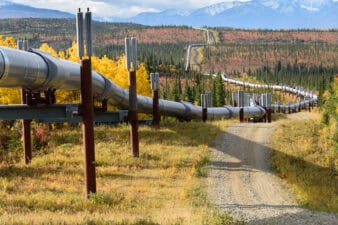
Emera (TSX:EMA) brings a simple business model to a portfolio that might already feel complicated. It owns and operates regulated utilities in Canada, the United States, and the Caribbean, including Tampa Electric in Florida and Nova Scotia Power at home. Utilities sell essentials, and regulators set the rules for returns, so cash flow tends to stay steadier than most sectors. For TFSA investors, that steadiness can matter more than excitement.
That stability often shows up in the share price behaviour. Investors usually trade utilities based on interest-rate expectations, not hype. Over the last year, shares have been up about 28%, with shares trading at about 18.5 times earnings at the time of writing. The dividend stock can dip when bond yields climb, then recover when rate fears cool. If you think in years, not weeks, those dips can feel like opportunities rather than warnings, especially when the business keeps doing its job.
Income investors also care about the dividend rhythm. The dividend stock pays quarterly, offering a dividend yield at 4.3% at writing. That yield will not make you rich overnight, but it can provide a steady stream you can reinvest inside a TFSA. Over time, reinvested dividends can buy more shares, and those shares can buy even more dividends. That loop can help you push past “average” even if you start late.
Earnings support
Recent results supported the steady engine story. In the third quarter of 2025, Emera delivered adjusted earnings per share (EPS) of $0.88 and reported EPS of $0.76, which marked a 9% year-over-year improvement in adjusted EPS. Those numbers support the dividend and signal improving underlying profitability, even while the market keeps debating rates. You want to see earnings grow without drama, and this quarter moved in that direction.
Earnings only tell half the story for a utility. The bigger driver sits in the investment plan. Emera unveiled a five-year $20 billion capital plan and extended 7% to 8% rate base growth guidance through 2030, with about 80% of planned investment directed to Florida. In short, it plans to modernize and expand the grid, then earn regulated returns on the expanded asset base. That creates a path for steady earnings growth, not a one-time jump.
The valuation looks reasonable for that blend of stability and visible growth, but you still need to respect the risks. Higher rates can pressure utility valuations quickly, even when operations stay fine. Large projects can face delays, and regulators can slow cost recovery. Emera also keeps the dividend story front and centre. In October 2025, it declared a quarterly dividend of $0.7325 per common share, and management tied dividend growth to a 5% to 7% average adjusted EPS growth target through 2027. So, all in all, it all looks stable, while earnings offer ample income.
| COMPANY | RECENT PRICE | NUMBER OF SHARES | DIVIDEND | ANNUAL TOTAL PAYOUT | FREQUENCY | TOTAL INVESTMENT |
|---|---|---|---|---|---|---|
| EMA | $67.89 | 826 | $2.91 | $2,403.66 | Quarterly | $56,077.14 |
Bottom line
If you sit near that $56,106 average at age 65, EMA can help you climb higher because it mixes a steady dividend with a long runway for regulated investment. You can reinvest the quarterly cash inside your TFSA, add fresh contribution room each January, and let compounding work quietly while the company executes its plan. No dividend stock guarantees lifelong payments, but a well-run utility can deliver dependable cash flow that makes long-term investing feel manageable, even when markets get loud, for your sleep at night, too.