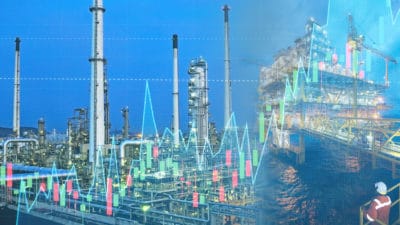
“Buy the dip and sell the rally” is a classic way of earning returns. But if you are buying purely on the basis of price movements, you are not investing — you are gambling. Take oil stocks, for instance. They are trading at all‑time highs amidst the Iran war. Jumping into the rally now for quick gains is not investing; it’s gambling. By definition, gambling is betting on the outcome of future events or leaving your money to chance, instead of relying on fundamentals.

Source: Getty Images
Are you just gambling in the name of investing?
Oil stocks
Commodity prices only rise to a certain point, beyond which consumption falls. Think of it this way: if rising petroleum prices start affecting your food budget, you may delay your travel plans. And if higher prices persist, groceries and necessities will overtake discretionary spending. Buying oil, gold, steel, or aluminum stocks too late in the rally is gambling, as you are buying an overvalued stock on the bet that commodity prices will rise further.
While chasing a rally too late is gambling, buying every dip is also gambling. Energy shocks can last longer than expected. Even if oil prices reach the previous high of US$125/barrel and correct later, they will not fall back to US$60-US$70/bbl anytime soon. Higher oil prices fuel inflation, which could trigger interest rate hikes.
Lending stocks
Now may not be a good time to buy lending stocks, even if they look cheap. From non-prime lender goeasy (TSX: GSY) to short-term mortgage lender Timbercreek Financial, Canadian lenders are seeing a correction as delinquency rates rise.
In the last six months, goeasy has shown signs of financial stress. First, a short-seller report warned about delinquency issues. Then the chief financial officer and later the chief executive officer resigned. Now, the non-prime lender reported a 12.9% net charge-off rate for 2025 — well above its 8–10% target. The higher charge-off rate means delinquencies are rising as a higher percentage of its loan portfolio is defaulting.
The next step for goeasy will be cleaning off non-performing loans and controlling credit risk. This could see a slowdown in loan growth and adoption of stricter credit score requirements on new loans. The stock has recently lost 70% of its value as the fundamentals have shaken. Avoid goeasy and other lending stocks amidst rising inflation.
Staying invested while others are gambling
The same sector can be both gambling and investment, depending on your approach. Buying oil and energy stocks at their high is a gamble. However, if you already own stocks like Suncor Energy and Cenovus Energy, staying invested in them can fetch you high dividend growth in 2026. Their lower cost per barrel will help them earn excess free cash flow amidst high oil prices, which they will use to reduce debt and grow dividends.
Pipeline players like TC Energy and Enbridge are also worth holding for the long term, though partial profit‑taking makes sense to rebalance into other long-term stocks that are trading at their lows.
Gambling vs long‑term growth
While energy stocks can be speculative, companies like Shopify (TSX: SHOP) represent long‑term growth. March is seasonally weak for Shopify sales, making it a good entry point. Its asset‑light model has delivered 20% annual revenue growth for four years, profitability, and double‑digit free cash flow margins. Rising oil prices will impact Shopify’s logistics costs, but it will pass that on to customers.
Rising oil prices may increase logistics costs, but Shopify’s diverse exposure across sectors and international markets helps offset risks. Unlike chasing rallies, buying Shopify at the dip is investing, not gambling. The only reason not to buy Shopify stock would be a global recession or technological disruption.