Short-selling stocks is risky and not allowed in certain accounts (i.e., TFSAs, RRSPs), so some investors may miss out on opportunities to bet against a stock or commodity that is on the decline. It is also a very risky thing to do since losses can be infinite because the price of a stock or commodity can keep climbing.
One way around short-selling is to simply invest in stocks that are inversely related or impacted by the declining commodity or stock.
For instance, a drop in oil prices negatively impacts oil and gas companies but has a positive impact on airlines, where fuel is a significant cost. The cheaper that oil gets, the better the margins become for airlines, which in turn helps overall profitability. This strategy allows you to bet against a drop in oil prices without having to actually short anything.
However, there are many factors that could impact profitability for an airline besides the price of oil (for example, an act of terror, labour disputes, etc.). But with all other things being equal, lower oil prices should positively impact the airline industry.
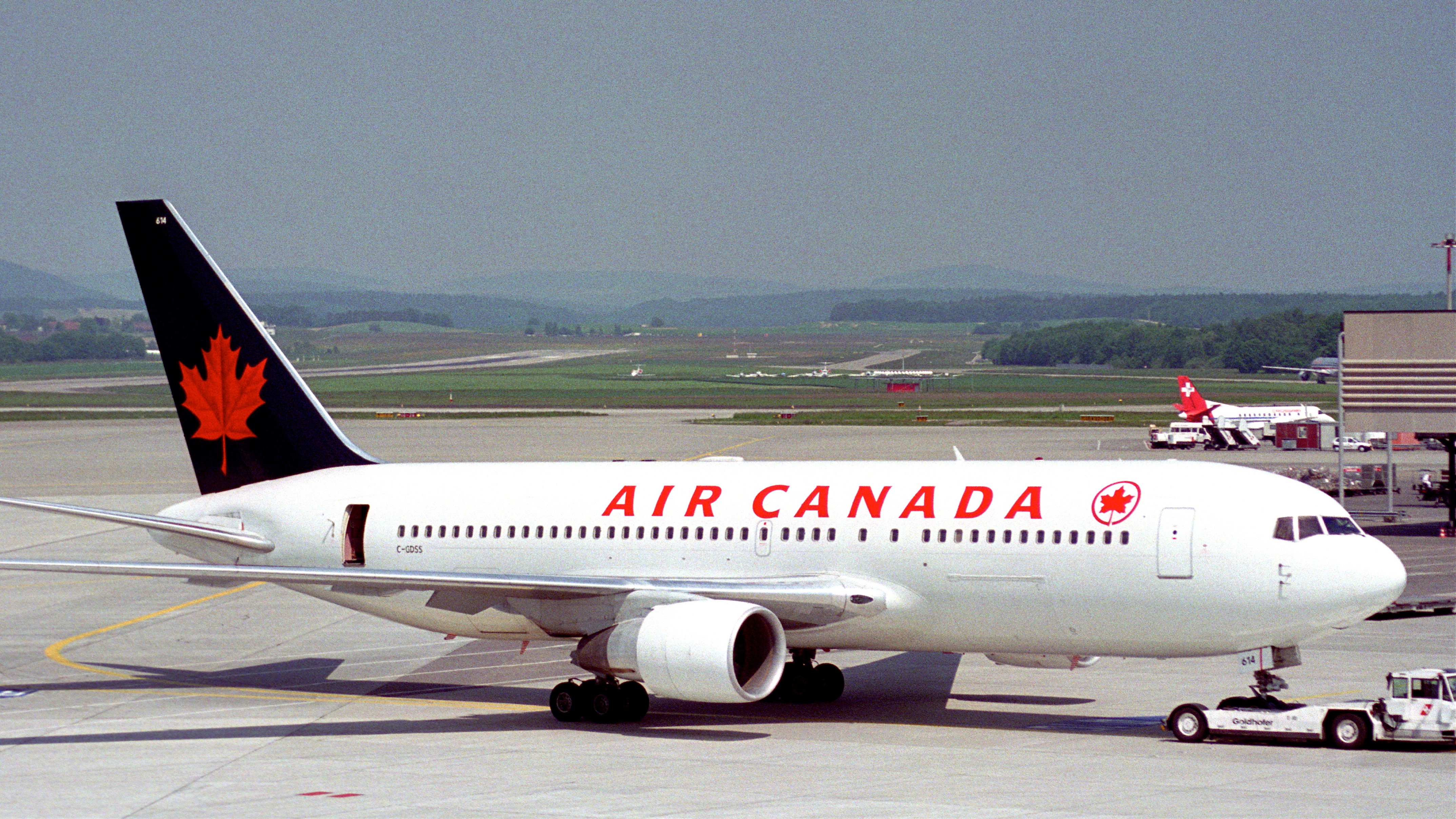
Air Canada (TSX: AC)(TSX:AC.B) is one company that has seen favourable results due to the decline in crude oil prices.
In fiscal 2014, Air Canada’s fuel costs totaled $3.7 billion and were 28% of its total revenues. A couple of years later, after oil prices had sharply declined, fuel costs for fiscal 2016 were only $2.3 billion and 15% of revenue. In 2014, the company’s operating income was $815 million compared to $1.3 billion in 2016.
Over the past three years, Air Canada’s compounded annual growth rate of sales was 5.8%. The company’s growth rate of its bottom line was even more impressive at over 420%.
WestJet Airlines Ltd. (TSX:WJA) is another beneficiary of lower oil prices.
Its fuel expenses in 2014 totaled almost $1.1 billion, or 27% of total revenue. In 2016, fuel costs dropped to $765 million and were 18% of revenue for the year. Earnings from operations actually dropped from $475 million in 2014 to $440 million in 2016 as a result of other changes in its cost structure.
WestJet has seen its revenue grow an average of 4% year over year for the past three years. Profits have also grown for the company by an average of 3% each year. The improvements are not as drastic as Air Canada’s, but in Air Canada’s case it had a much lower starting point.
Both airlines present excellent opportunities for investment if you believe oil prices are going to decrease or at least not see much upward movement.
For at least the next couple of years, I wouldn’t expect to see much of a recovery simply because the U.S. has lots of work secured for the time being, and without more drastic production cuts elsewhere in the world, I don’t think there will be enough to offset the oversupply.
Beyond a few years, there might be some movement up, but I think times have changed, and there is more of an effort to move away from a dependence on oil. Unless a crisis occurs that pushes the price of oil up, I think the gravy train has left the station.