Is Pembina Pipeline (TSX: PPL) a buy, sell, or hold as we head into the second half of 2025? With its juicy dividend, solid long-term track record, and steady cash flow engine, the stock presents a compelling case — but is it compelling enough at today’s price? Let’s unpack the key facts.
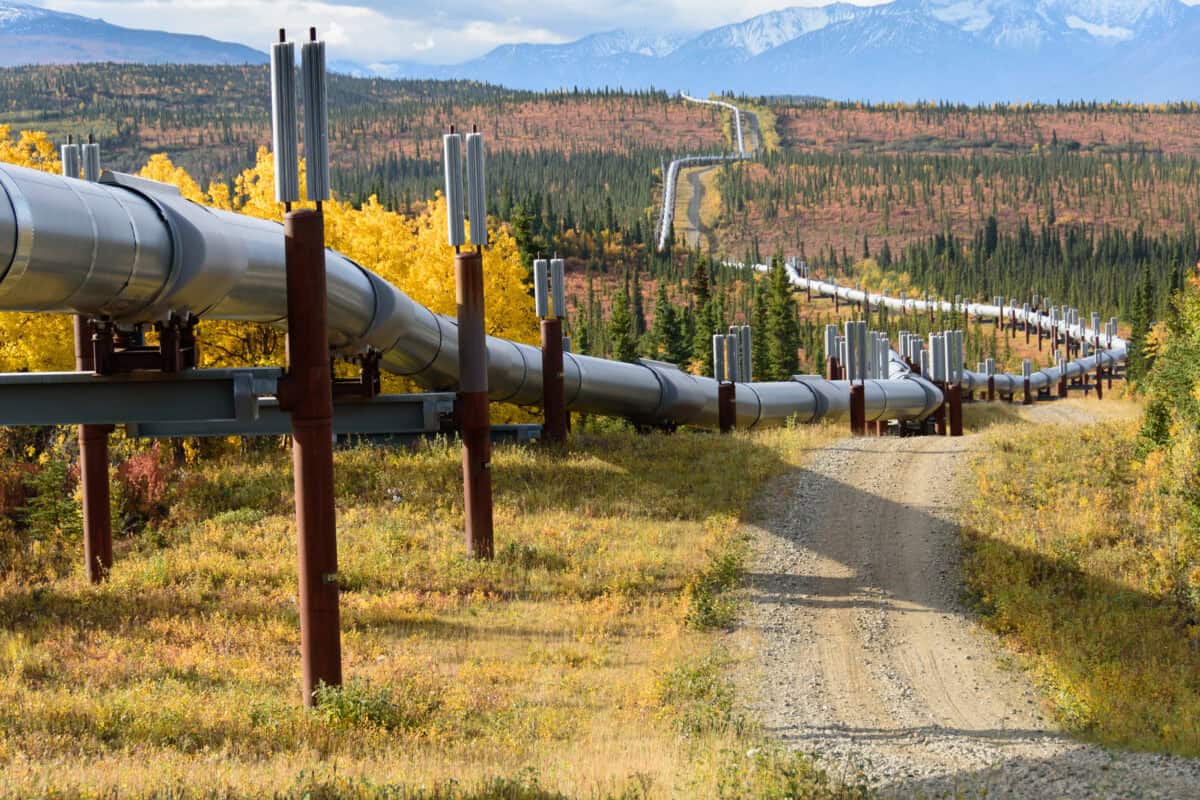
Source: Getty Images
Decade of dependability: Strong total returns
Over the past decade, Pembina Pipeline stock has delivered annualized returns of around 8.7%, turning a $10,000 investment into roughly $22,940. Notably, its five-year performance is even more impressive. A compound annual growth rate (CAGR) of 14.9% over that period would have doubled a $10,000 investment to about $20,001.
The main part of this stronger recent return is due to the pandemic crash in 2020, which created a rare buying opportunity. Shares were heavily discounted, but the company’s resilient operations allowed the stock to rebound strongly — rewarding patient investors.
Reliable dividends with inflation-beating growth
One of Pembina Pipeline’s defining features is its dividend consistency. At a recent share price of $50.84, it offers a dividend yield of approximately 5.6%, well above the Canadian stock market’s yield of 2.6%. That means even if the share price stagnates, long-term shareholders can enjoy solid passive income.
The dividend isn’t just generous — it’s reliable. Pembina has maintained or increased its dividend every year since at least 2006, even through energy downturns and macroeconomic challenges. The company’s five-, 10-, and 20-year dividend-growth rates clock in at 3.0%, 4.8%, and 4.7%, respectively — just enough to stay ahead of the long-term inflation rate, which averages 2-3% annually.
Backed by diversified energy infrastructure across natural gas, liquids, and oil, Pembina’s fee-based business model generates stable and predictable cash flow. This underpins its ability to keep paying — and growing — its dividend through economic cycles.
Valuation, upcoming earnings, and the verdict
As of July 2025, analysts peg the energy stock’s fair value at around $59.50, suggesting the stock is trading at a discount of approximately 15%. That equates to a near-term upside potential of 17%, excluding dividends. For income-focused investors, the total return picture is appealing — especially when paired with Pembina’s inflation-resistant payout.
But investors may want to keep an eye on August 8, when Pembina is set to report its second-quarter earnings. With several key growth projects and mergers and acquisitions integrations ongoing — including Cedar LNG and its midstream asset acquisitions — those results may offer fresh insight into how much more upside Pembina has in the tank.
So, what’s the call?
- Buy: If you’re a long-term, income-focused investor looking for stable dividends and modest capital appreciation, Pembina offers reasonable value at current levels.
- Hold: If you already have a full or overweight position, sit tight. The dividend is paying you to wait, and upside remains.
- Sell: Not recommended unless you’re trimming exposure or reallocating into higher-growth names. Pembina remains fundamentally sound with improving cash flows.
The investor takeaway
Currently, Pembina Pipeline looks like a solid hold or moderate buy for long-term investors. With reliable income, discounted valuation, and steady operational execution, it continues to be one of Canada’s more dependable dividend stocks — especially for those who value consistency over flash.