Pembina Pipeline (TSX: PPL) has picked up a new tailwind in the past two weeks after hitting a 12-month low. Contrarian dividend investors are wondering if PPL stock is still undervalued and good to buy for a self-directed Tax-Free Savings Account (TFSA) or Registered Retirement Savings Plan (RRSP) portfolio focused on dividends and long-term total returns.
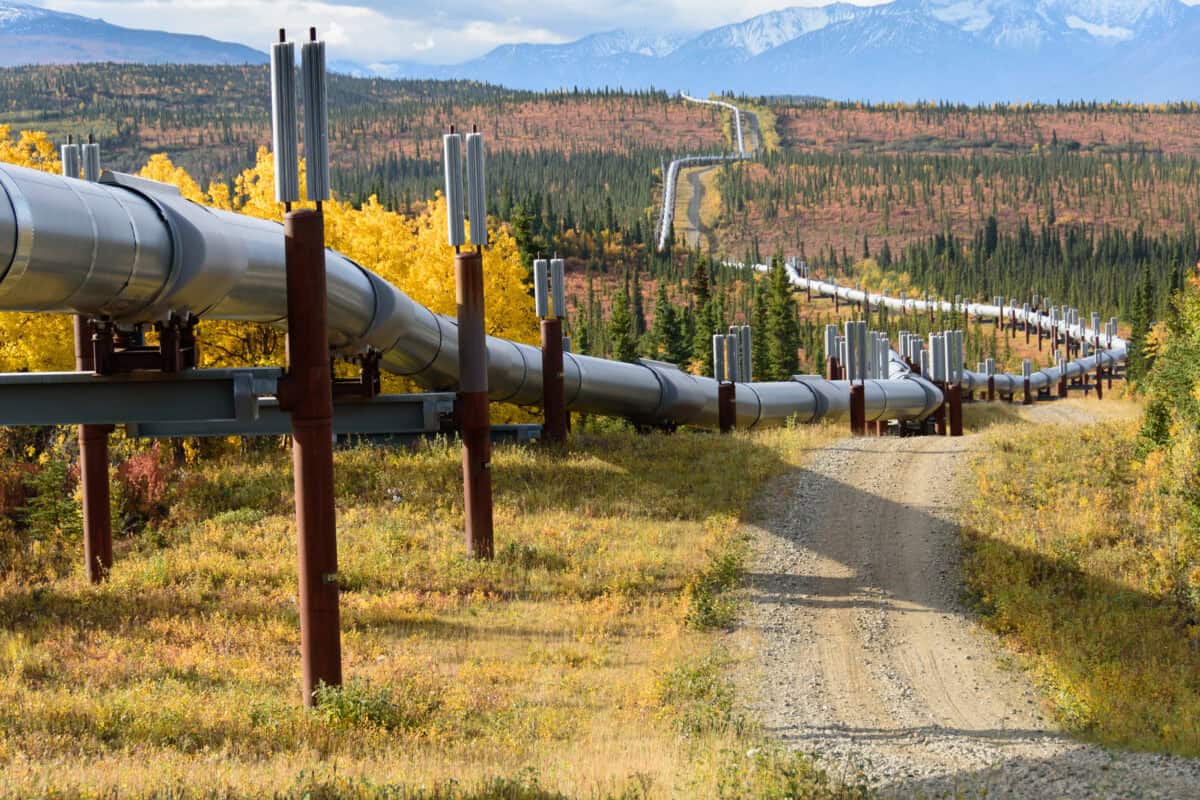
Source: Getty Images
Pembina Pipeline share price
Pembina Pipeline trades near $52.50 per share after dipping below $49 on August 8. The stock’s trend has been largely to the downside, however, since hitting $60 late last year.
Pembina is much more than a pipeline operator; it is effectively a one-stop shop service provider to energy producers. Oil, natural gas, and gas liquids transmission are part of the asset portfolio, but Pembina Pipeline also owns gas gathering and processing facilities, logistics services, and a propane export terminal.
The company is also a partner on the new Cedar LNG liquefied natural gas export facility being built on the coast of British Columbia. The US$4 billion project is expected to be completed and in service in 2028. Across the asset holdings, Pembina is making progress on $1.3 billion in capital projects in 2025.
Earnings
Pembina reported the second-quarter (Q2) 2025 earnings that came in at $417 million, down 13% from the same period in 2024. The company splits its operations into three groups. The pipelines division saw earnings decline 2% in the quarter. Marketing and new ventures, which include sales of commodities, saw earnings dip 16%. Facilities operations reported a 22% earnings drop.
On an adjusted basis, earnings before interest, taxes, depreciation, and amortization (EBITDA) came in at $1.01 billion in the quarter, down 7% from Q2 2024. The pipelines group saw adjusted EBITDA slip 1% to $646 million as weaker results on some assets offset gains on others. Facilities adjusted EBITDA fell 3% largely due to planned outages at some of the assets. Adjusted EBITDA in the marketing and new ventures group fell 48% as a result of lower commodity prices and planned outages at two facilities.
In July, Pembina settled a new agreement with its customers (shippers) to define toll rates over the next 10 years. Pembina expects the financial impact to be a long-term revenue reduction of $50 million per year compared to the previous system. In addition, the company says a new revenue-sharing component could lead to even lower revenue compared to what it would have earned under the previous terms. On the positive side, the new agreement puts to bed the uncertainty that might have been impacting the share price.
The Q2 earnings results look worse than they are due to the planned shutdowns on some assets. Investors, however, will need to keep an eye on the Q3 and Q4 results for signs of a rebound.
Dividends
Pembina pays a quarterly dividend of $0.71 per share. That translates into an annualized yield of 5.4% at the current share price. Dividend growth should be on the way in the coming years as new assets are completed and go into service.
Time to buy?
Pembina Pipeline has underperformed its larger pipeline peers in the past year, mostly due to weakness at its non-pipeline operations. In this case, the diversified assets actually make revenue and cash flow more variable than what investors see at the Canadian pipeline giants that get most of their revenue from rate-regulated assets.
Contrarian investors, however, might want to start a position while the stock is down on the hopes of picking up a nice gain when commodity prices improve. The dividend should be safe, and the yield is attractive right now, so you get paid well to wait.