If 2025 taught investors anything, it’s that markets can be delightfully unpredictable. Now, the TSX has shown remarkable resilience, even as global uncertainty remains high.
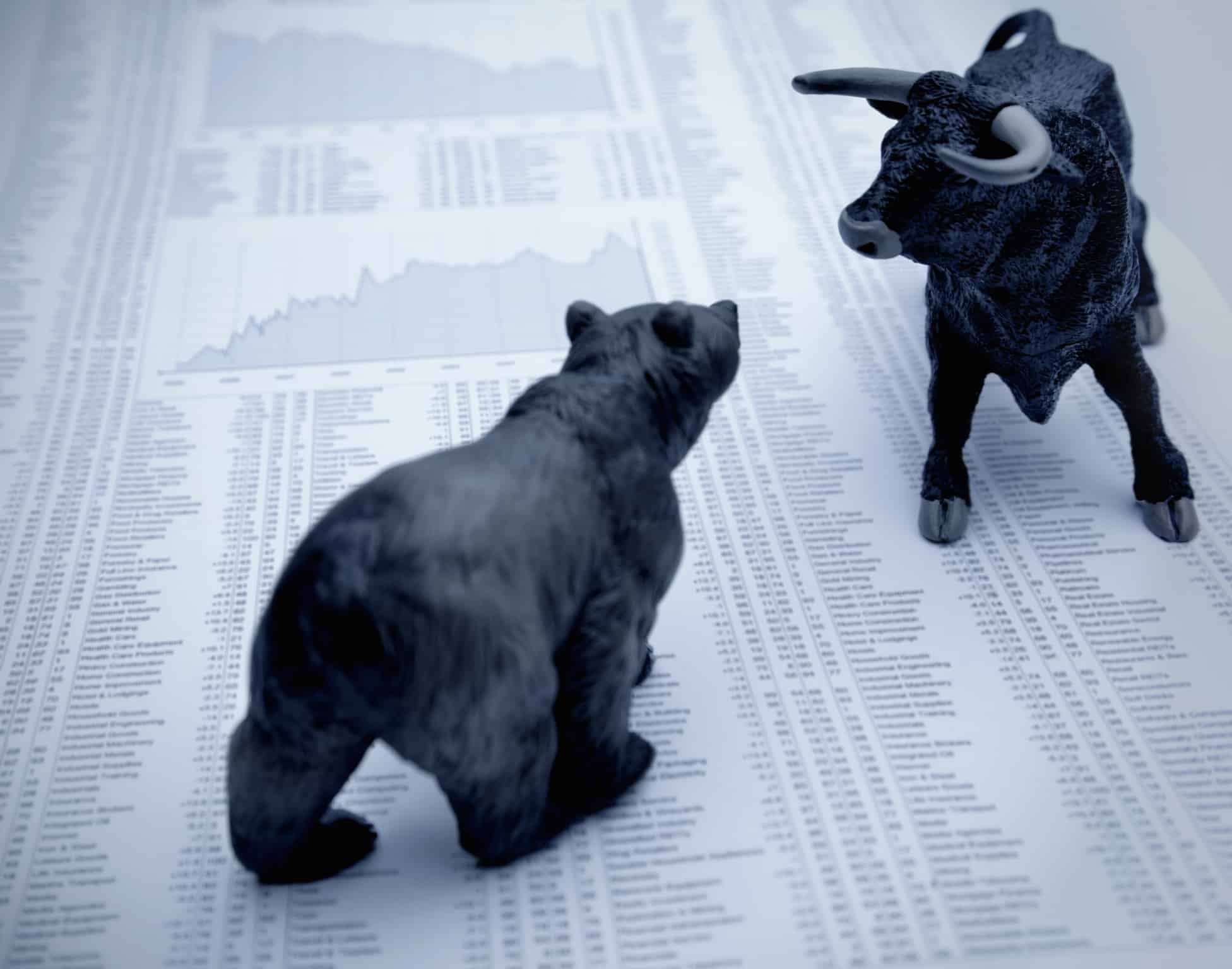
As we head deeper into 2026, there’s an odd but real possibility that we could see both a market crash and new all-time highs. Yes, in the same year. Here are three reasons why this whiplash scenario isn’t as far-fetched as it sounds.
Source: Getty Images
The Bank of Canada has a balancing act
Interest rates are the fulcrum on which investors balance optimism and fear. The Bank of Canada has already hinted that rate cuts could begin mid-year if inflation continues to cool. Indeed, it’s the wide-ranging view that lower rates could re-ignite enthusiasm for growth stocks, particularly in the tech and renewable energy sectors, pushing the TSX higher.
I think that’s right, but here’s the catch. If monetary policy is loosened too quickly, inflation could flare back up, forcing the central bank to reverse course. That kind of policy whipsaw often rattles markets. The irony? The very same rate cuts that fuel a rally could later cause the panic that brings it crashing down.
Divergence in performance in key sectors
The TSX is famously cyclical, heavily tilted toward financials, energy, and materials. In a soft-landing scenario (where the economy dodges a recession), banks and miners could benefit from improving credit conditions and stronger industrial demand. Add a rebound in commodity prices, and an all-time high doesn’t look out of reach.
However, if global demand falters, perhaps due to weakness in China or renewed geopolitical shocks, those same sectors could drag the index sharply lower. Volatility in oil and base metals prices could whipsaw investors within weeks, leaving portfolios bruised even amid short-lived highs.
The artificial intelligence gold rush
AI and automation remain among the market’s hottest themes. Canadian firms from semiconductor equipment providers to data centre REITs stand to gain, and enthusiasm around AI-related efficiencies could spark substantial inflows into tech-heavy segments of the TSX.
That said, hype cycles tend to move faster than fundamentals can support. When expectations get ahead of reality (as they did during the last few tech booms), the eventual correction can be swift and unforgiving. A major AI-driven rally could easily be followed by a sharp, sentiment-driven sell-off in the same year.
So, while it may seem contradictory, a crash and a record high are simply two sides of the same market coin, powered by shifting narratives, central bank moves, and investor emotion. For long-term investors, that means one thing – don’t try to time the swings. Stick to quality companies with durable cash flows, and let volatility work for you, not against you.