Retirement wealth rarely arrives with fireworks. More often, it begins as a quarterly dividend small enough to vanish inside a grocery bill. Reinvest that payment, add future dividend increases, and give the process several decades, however, and the little spark can eventually start doing some serious work.
Source: Getty Images
Getting started
A Tax-Free Savings Account (TFSA) provides an ideal home for that process. Dividends and capital gains earned inside a TFSA do not generate Canadian income tax, allowing every reinvested dollar to remain on the job.
The 2026 TFSA dollar limit is $7,000, while unused contribution room carries forward. Withdrawals are tax-free and generally return as new room the following calendar year. TFSA income and withdrawals also won’t affect federal income-tested benefits such as Old Age Security (OAS), making the account particularly useful once employment paycheques become fond memories.
Dividend investors still need more than a generous yield. Cash flow must cover the payment, the business needs room to grow, and management shouldn’t require favourable weather, perfect commodity prices, and three small miracles to fund the next cheque. Those requirements point toward an increasingly diversified Canadian infrastructure company.
A passive income pipeline
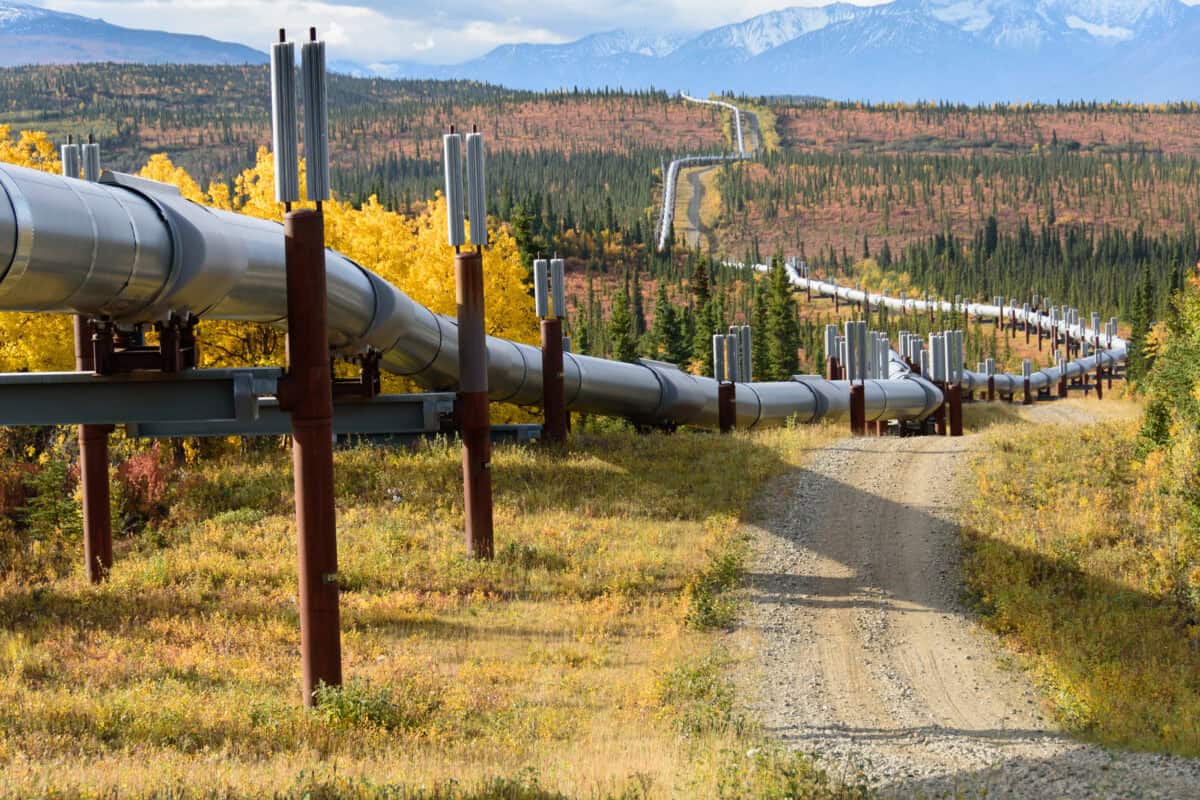
Pembina Pipeline (TSX: PPL) transports, processes, stores, and exports oil, natural gas, and natural gas liquids across North America. Much of its revenue comes from fees paid for using that infrastructure, providing greater stability than simply betting on the next twitch in oil prices.
The business is now adding electricity to its job description. Pembina stock and its partners recently approved the Greenlight Electricity Centre, a 932-megawatt (MW) natural-gas power facility that will supply Meta’s enormous Alberta data centre under a long-term tolling agreement.
The project should begin operating during the second half of 2030 and generate approximately $310 million in annual run-rate adjusted earnings before interest, taxes, depreciation, and amortization (EBITDA) for Pembina. Artificial intelligence (AI) may therefore help fund future dividends without Pembina stock needing to invent a chatbot that transports propane.
The numbers
The existing business is already supporting the payment. Pembina stock generated $1.36 per share in first-quarter adjusted cash flow from operations, comfortably above its newly increased $0.74 quarterly dividend. Management raised that payment by approximately 3.5% in May, providing the combination of current income and growth investors want from Canadian dividend stocks.
At the recent $72.08 share price, Pembina stock’s $2.94 annualized dividend produces a 4.1% yield. Investing one full annual TFSA contribution and rounding down the shares would create the following position.
| COMPANY | RECENT PRICE | NUMBER OF SHARES | ANNUAL DIVIDEND | ANNUAL TOTAL PAYOUT | FREQUENCY | TOTAL INVESTMENT |
|---|---|---|---|---|---|---|
| PPL | $72.08 | 97 | $2.94 | $285.18 | Quarterly | $6,991.76 |
That leaves $8.24 uninvested and provides approximately $71.30 every quarter. Reinvesting each payment could gradually purchase additional shares, which would then begin producing dividends of their own.
Foolish takeaway
Now, Pembina stock isn’t perfect. It carries considerable debt and must successfully construct several expensive projects. Cost overruns, delays, weaker energy production, commodity-price exposure, higher interest rates, or regulatory changes could pressure returns. The dividend isn’t guaranteed, and one pipeline stock shouldn’t become an entire retirement plan wearing a hard hat.
Inside a diversified TFSA, however, Pembina stock can provide useful income today while data centres, LNG exports, and rising Western Canadian energy production create new cash-flow opportunities. Reinvest those quarterly payments patiently, and this 4.1% yield could become considerably more powerful by the time retirement arrives.