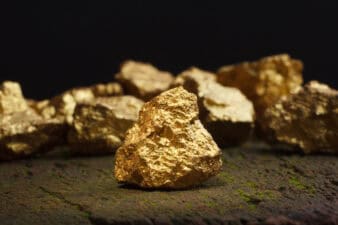
Canada has spent years discovering that owning strategically important rocks is considerably less useful if somebody else controls the supply chain. The Canada Investment Summit suggested Ottawa wants to change that.
Prime Minister Mark Carney told investors that Canada had signed more than 50 critical minerals agreements with over 15 countries over the past year, unlocking $20 billion in investment.
The goal, he said, is “reducing dependence on foreign chokeholds in critical supply chains.”
That’s becoming increasingly important as artificial intelligence (AI), defence, electricity grids, and food security collide with a world where governments suddenly care very much about where their raw materials come from. Canada happens to have quite a few.
Source: Getty Images
Why critical minerals keep coming up
The summit devoted an entire discussion to “Powering Canada’s Mining and Critical Minerals Value Chain,” bringing together the heads of some of the largest energy companies. Blackstone President Jon Gray made the international-investor case even simpler.
“The natural resources here are simply extraordinary,” he told the summit, specifically highlighting Canada’s critical minerals.
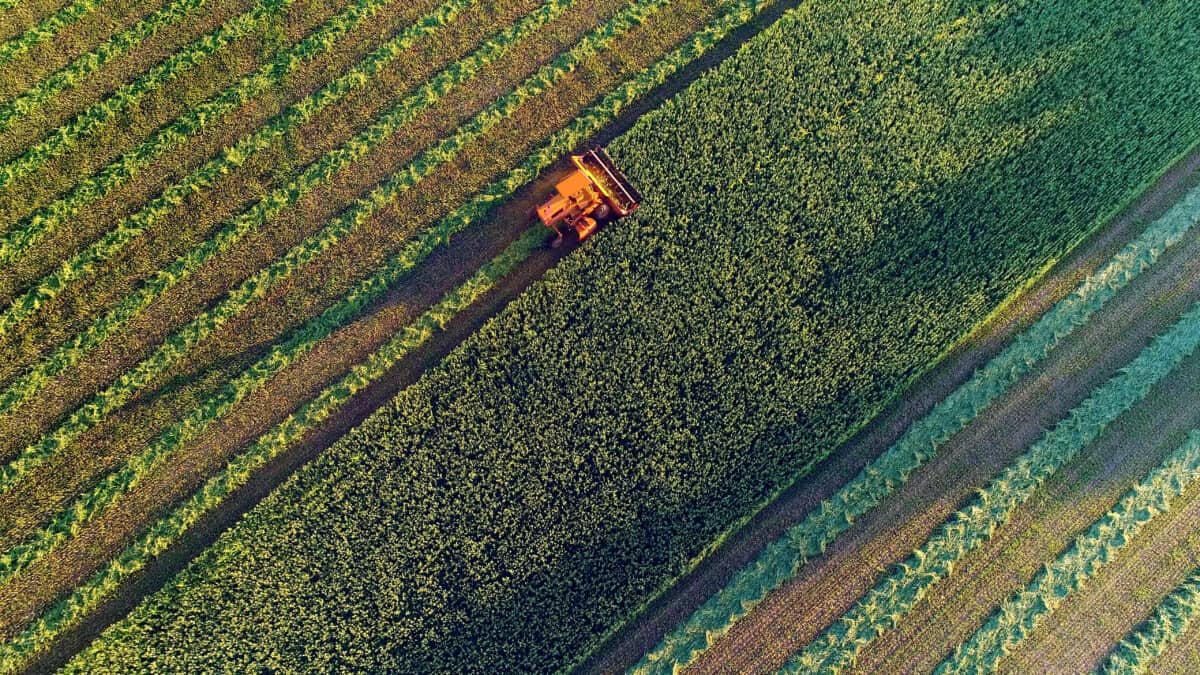
Yet Canada’s critical-minerals list isn’t limited to trendy battery metals. It also includes something farmers have needed for a very long time: potash.
Potash supplies potassium, one of the essential nutrients required to grow crops. Canada is the world’s largest potash producer, making it strategically important not only to manufacturing, but also global food production. That makes Nutrien (TSX: NTR) one of the critical-mineral stocks I’d want to own.
Why I’d buy Nutrien
Nutrien is the world’s largest potash producer and one of the biggest providers of crop nutrients and agricultural products. Its enormous Saskatchewan operations give Canada something increasingly valuable: large-scale, low-cost production located in a politically stable country.
Global potash demand remains strong, with Nutrien forecasting 74 to 77 million tonnes of shipments in 2026. Management says demand is testing existing global production and transportation capacity. And Nutrien is already benefiting.
Second-quarter adjusted earnings before interest, taxes, depreciation and amortization (EBITDA) reached US$2.4 billion, while adjusted earnings came to US$2.61 per share. More importantly, Nutrien produced record first-half potash sales volumes and raised its full-year potash sales-volume outlook.
In other words, Canada doesn’t merely have potash sitting underground waiting for an investment summit to make it interesting. Nutrien is already selling enormous amounts of it.
There’s a nice valuation attached
Nutrien shares recently traded around roughly 15 times forward earnings. That’s considerably less demanding than many of the AI, nuclear, and defence stocks benefiting from the same push toward strategic supply chains. Nutrien also pays an annualized dividend yielding around 2.8%.
The risks are straightforward. Fertilizer prices are cyclical, agricultural demand changes with crop prices, and potash supply can increase if competitors ramp production. Yet food demand doesn’t disappear because commodity markets have a bad quarter.
Bottom line
That’s why I like Nutrien for this story. Carney talked about building “industries of tomorrow” in critical minerals and keeping more of their economic benefits in Canada.
Sometimes the most strategically important mineral isn’t powering an electric vehicle or sitting inside a missile. Sometimes it’s helping grow dinner. Nutrien already controls an enormous piece of that supply chain.