Higher oil prices can make a trip to the gas station more expensive and an energy company’s cash generation stronger. The shareholder question is what happens to that extra cash after operating costs, investment spending, and debt obligations are paid.
Oil rallied last week as renewed Middle East attacks raised supply concerns. Canadian Natural Resources (TSX: CNQ) offers a way to own production behind that market, with an established dividend and recent evidence that strong prices are reaching cash flow.
Source: Getty Images
Price versus payout
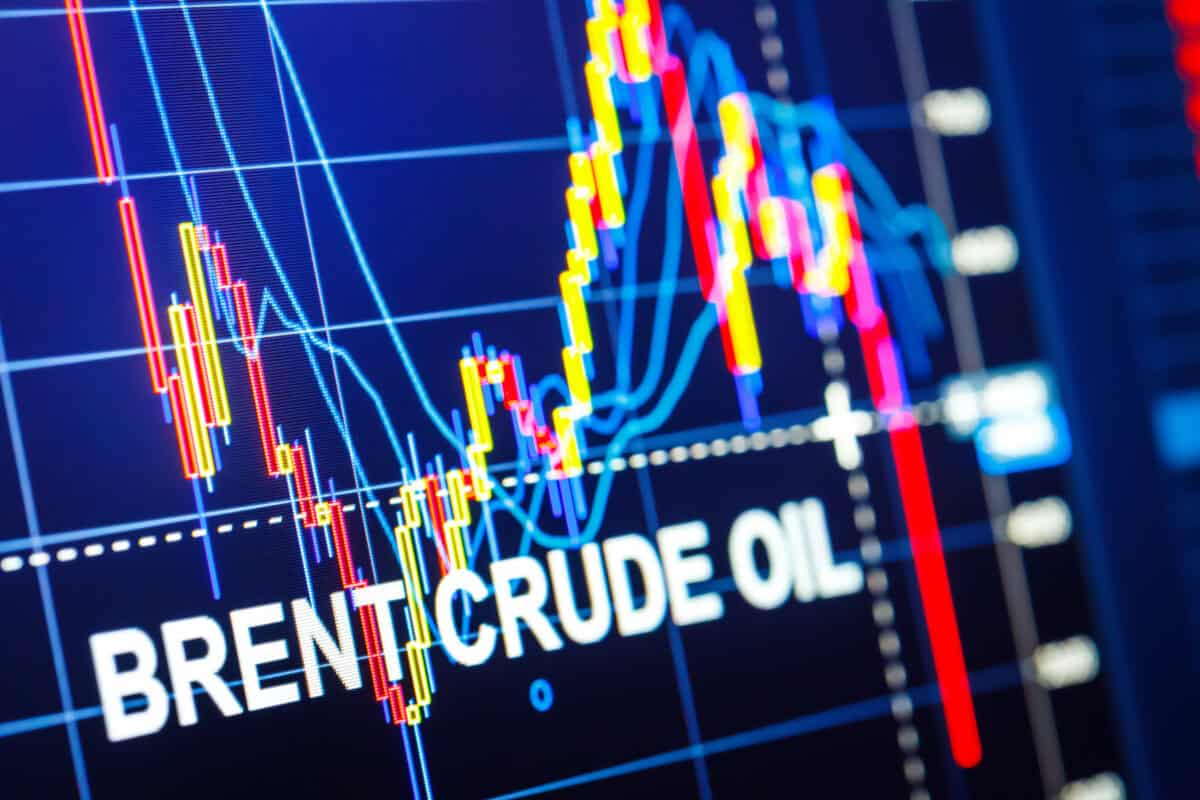
Canadian producers don’t all receive the same benchmark price. Crude quality, transportation, market access, currency, and royalties affect what reaches the company. A Brent headline is useful context, not the exact amount CNQ receives for every barrel.
The company’s mix is an important one. Oil-sands mining and upgrading, thermal production, conventional oil, and natural gas provide different sources of output. Long-lived reserves can reduce the need to replace the entire production base rapidly, but the assets still need maintenance and investment.
That makes the dividend a capital-allocation decision. Management can use cash to fund operations, reduce debt, repurchase shares, or distribute income. A higher oil price supports those choices, but it doesn’t require the board to raise the dividend immediately.
The useful investment argument is therefore a business that can keep operating and funding obligations through a weaker cycle. Buying only because crude had a strong day leaves that question unanswered.
Recent cash did several jobs
Canadian Natural generated approximately $6.9 billion of adjusted funds flow in the second quarter. This is an operating cash measure before the full investment program, so it shouldn’t be treated as money entirely available for dividends.
The company paid about $1.3 billion in dividends, repurchased about $1.1 billion of shares, and reduced net debt by approximately $1.6 billion. These figures show that shareholders received cash while the balance sheet also improved. The declared quarterly dividend was $0.63, or $2.50 annualized. Compared with the latest $2.20 adjusted earnings per share (EPS), the payment used about 28% of that quarter’s adjusted earnings. Strong oil prices helped the result, so that ratio isn’t a permanent promise.
At a recent close of $70.80, a $10,000 budget bought 141 whole shares for $9,982.80. Those shares generated $352.50 annually at an unchanged payment, or $88.13 per quarter.
| COMPANY | RECENT PRICE | NUMBER OF SHARES | ANNUAL DIVIDEND | ANNUAL TOTAL PAYOUT | FREQUENCY | TOTAL INVESTMENT |
|---|---|---|---|---|---|---|
| CNQ | $70.80 | 141 | $2.50 | $352.50 | Quarterly | $9,982.80 |
For dividend investors, this is income backed by current operating evidence, with a yield of about 3.5%. The debt reduction strengthens the argument more than a rising oil quote by itself.
Considerations
CNQ’s quoted price was about eight times earnings. Still, commodity companies can look inexpensive when a particularly strong quarter is multiplied into a full year. A weaker oil price can reduce profits while many operating costs remain. Royalties, energy costs, outages, and environmental obligations also affect how much cash is available. The dividend history supports confidence, but it doesn’t remove those exposures.
My judgment is to buy gradually for long-term energy exposure and income, with the position kept within a diversified portfolio. The current payment looks well supported. The oil rally doesn’t justify assuming that both the share price and dividend must rise from here.
An eligible Tax-Free Savings Account (TFSA) can shelter Canadian dividends and gains. The investment still needs enough time to handle a commodity downturn, instead of being relied on for an expense due next month.
The share-repurchase program adds another distinction. Buybacks reduce the number of owners sharing future earnings, but their value depends on the price paid. They complement a cash dividend, but they aren’t the same as cash reaching your bank account.
Bottom line
The oil rally gives CNQ a favourable backdrop, while recent dividends, repurchases, and debt reduction show how strong cash was used. A $10,000 budget produces about $353 annually at the quoted price. It is therefore a credible income-and-growth energy holding, with the commodity cycle considered in the purchase decision.