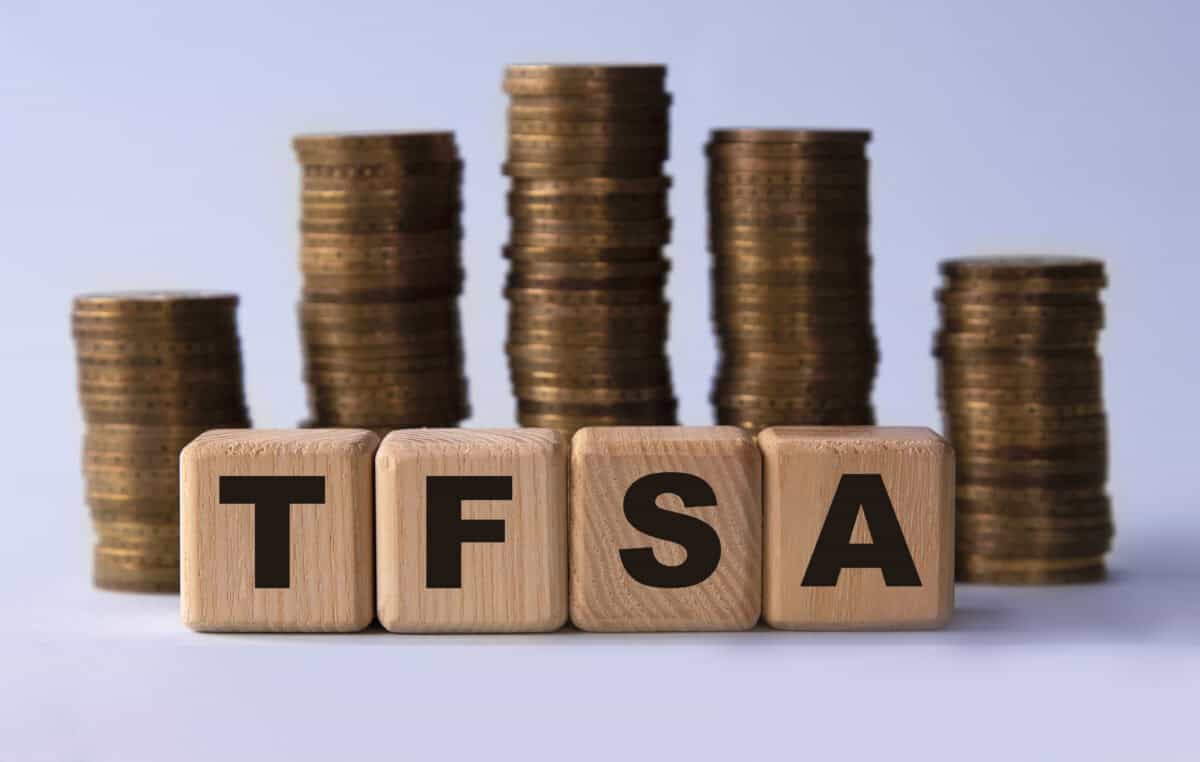
The Tax-Free Savings Account (TFSA) was introduced in Canada in 2009 as a flexible way for Canadians to save for retirement, among other financial goals. Unlike traditional retirement accounts that have strict rules and penalties for early withdrawals, the TFSA was designed with a “freedom to choose” mindset. Canadians can contribute, grow their investments tax-free and withdraw funds at any time without worrying about taxes or penalties.
So, while it wasn’t strictly created as a retirement account, it quickly became a popular option for retirement savings. Thus, it offers Canadians a versatile tool with which to build their financial future on their own terms. So, how much should Canadians have by the time they near retirement?
Source: Getty Images
The benefit of the TFSA
As Canadians inch closer to retirement, the TFSA becomes a bit of a financial superhero. One of its standout benefits is the ability to grow your investments completely tax-free. Unlike other retirement accounts where you might face taxes on withdrawals, with a TFSA, the government doesn’t take a cut. This means that any interest, dividends, or capital gains earned within the account stay in your pocket. Plus, because withdrawals aren’t considered income, they won’t affect your eligibility for government benefits like Old Age Security (OAS). It’s like having a retirement safety net that doesn’t mess with your other benefits.
Another major perk is the flexibility that comes with a TFSA. As retirement approaches, your financial needs can change. Maybe you want to take that dream vacation, help out a family member, or simply cover some unexpected expenses. The beauty of a TFSA is that you can dip into it whenever you need without penalties or tax headaches. You’re not locked into rigid withdrawal schedules like with some other retirement plans. This gives you the freedom to manage your finances in a way that suits your lifestyle. All in all, a TFSA offers a sweet combination of growth, tax benefits, and flexibility. Therefore, it’s an ideal tool to utilize as you gear up for those golden years.
How much should you have?
Now for the real answer. When Canadians hit the big 5-1, the average TFSA balance typically reflects a few years of saving and investing. On average, Canadians around this age have around $40,000 to $50,000 tucked away in their TFSA. Of course, this number can vary widely. It depends on factors like income level, how long they’ve been contributing, and whether they’ve been using their TFSA for short-term savings or letting it grow for the long haul.
What’s interesting is that this age group often starts to see their TFSA balances ramp up as they get more focused on retirement planning. By 51, many people have gotten through major financial hurdles, like mortgage payments or raising kids. They can now turn more attention to building up that tax-free nest egg. So, while $40,000 to $50,000 might be the average, plenty of folks are working on growing that balance as they approach their retirement years.
Not there yet?
If you’re not there yet, don’t worry! For Canadians nearing retirement, investing in Bank of Montreal (TSX: BMO) stock on the TSX could be a smart move, especially to catch up on their retirement savings. With a solid market cap of $82.21 billion and a relatively low forward price-to-earnings ratio of 10.13, BMO offers a mix of stability and potential for growth. The stock’s price-to-book ratio of 1.02 indicates it’s trading close to its book value. Thus making it an attractive buy for value investors. Moreover, BMO’s beta of 1.15 suggests a moderate level of volatility. This means it’s not too risky but still has the potential for decent returns as the market fluctuates.
One of the standout features of BMO stock is its strong dividend, with a forward annual dividend yield of 5.50%. This is particularly appealing for those nearing retirement. It provides a steady income stream that can supplement other retirement savings. Even with the stock’s recent dip, BMO’s history of reliable dividends and a payout ratio of 69.51% suggest that the bank is committed to rewarding its shareholders. So, if you’re looking to boost your retirement savings with a combination of growth potential and reliable income, BMO stock could be a solid addition to your portfolio.