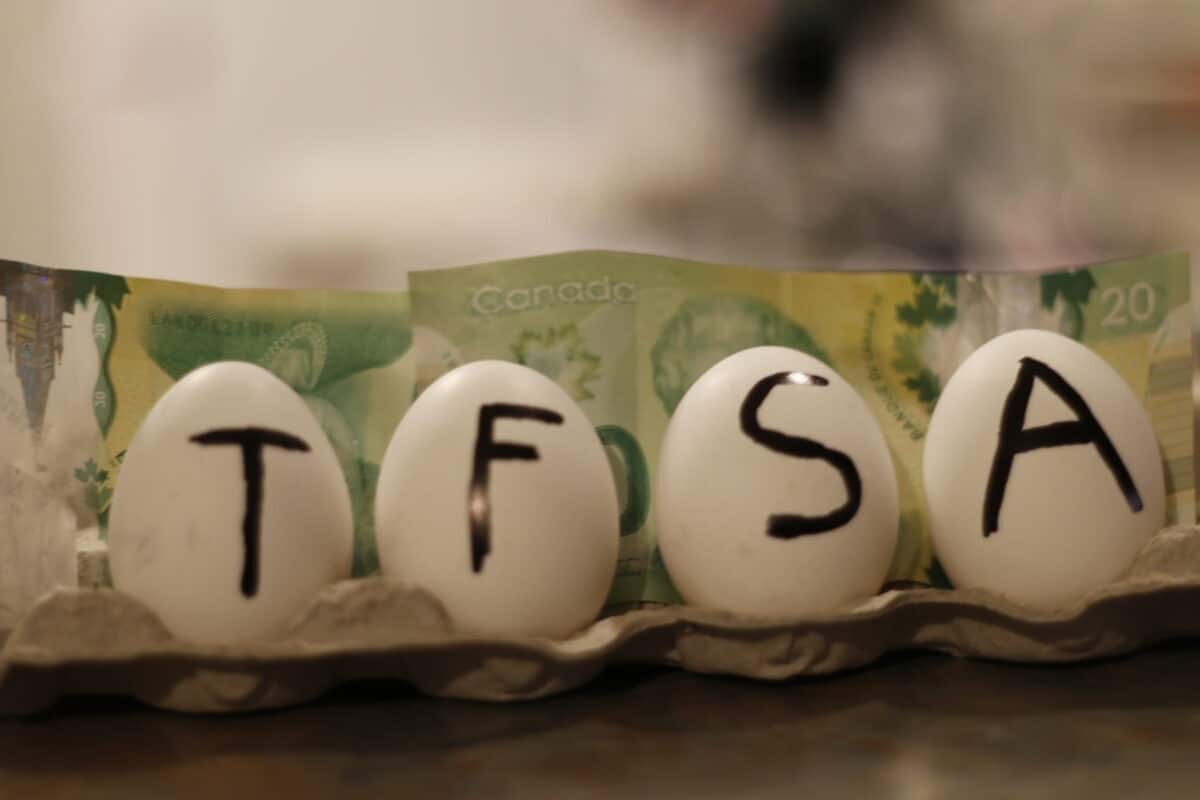
Young investors are taking advantage of their Tax-Free Savings Account (TFSA) contribution limit to create self-directed retirement portfolios. One popular strategy involves buying good divided-growth stocks and using the distributions to acquire new shares.
TFSA limit
The TFSA limit is $7,000 in 2025. This brings the cumulative maximum lifetime contribution space to $102,000 for anyone who has qualified since the creation of the TFSA in 2009.
Investors in the early years of their careers might decide to max out their TFSA contributions before putting money into a Registered Retirement Savings Plan (RRSP). The reason for this is that RRSP contributions can be used to reduce taxable income for the relevant year. People who expect to be in a much higher marginal tax bracket in the coming years can save RRSP room for when they can get the highest tax reduction. The idea is to contribute to the RRSP at a high marginal tax rate and remove the funds in retirement when a bit of tax planning enables you to pay taxes on the money at a lower rate.
Another benefit for younger investors is that TFSA investments can be withdrawn at any time without tax implications. That’s helpful if you need quick access to the funds for an emergency or a major purchase, such as a home. This is different from RRSP withdrawals, which are subject to a minimum withholding tax. The difference owed to or from the government gets sorted out when taxes are filed for that year.
TFSA investments are made with after-tax income. Interest, dividends, and capital gains earned inside the TFSA are not taxed and can be fully removed as income or reinvested.
Power of compounding
Using dividends to buy new shares takes advantage of the power of compounding. Each new share acquired using the dividends increased the size of the dividend payout on the next distribution. That, in turn, can potentially buy even more shares, depending on the movement of the share price. The impact is small in the beginning, but the long-term effect can turn relatively modest initial investments into significant savings over time, especially when dividends increase steadily and the share price drifts higher.
Fortis (TSX:FTS) is a good example of a reliable dividend-growth stock. The board has increased the dividend in each of the past 51 years. Fortis is providing dividend-growth guidance for annual increases of 4% to 6% through 2029, supported by the $26 billion capital program.
The FTS stock chart shows that steady dividend growth driven by rising earnings tends to help the stock move higher over the long run. A $10,000 investment in Fortis 30 years ago would be worth about $335,000 today with the dividends reinvested.
The bottom line
The TSX is home to many stocks like Fortis that have delivered solid long-term returns for patient investors. Future returns might not be the same over the next three decades, but the strategy of buying top dividend-growth stocks and using the distributions to acquire new shares is a proven one to build wealth over the long haul.