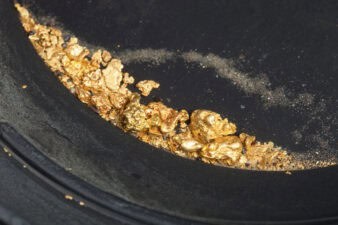
Gold and silver delivered a blockbuster performance in 2025, producing one of the strongest precious-metals rallies in modern history. Gold surged roughly 65% for the year — its “biggest annual gain since 1979”, according to the BBC — while silver skyrocketed by an eye-popping 144%. For investors seeking shelter from volatility, inflation, and geopolitical risk, the message seemed clear: the classic safe havens were back.
But as 2026 gets underway, cracks are beginning to show. Gold and silver prices have started to roll over, dragging precious-metals stocks down with them. The question investors now face is uncomfortable but necessary: after such a historic run, can gold and silver still protect portfolios — or has their role as dependable hedges weakened?
Source: Getty Images
What drove the 2025 metals boom?
Several powerful forces helped fuel last year’s rally. Trade tensions reignited by Trump-era tariffs introduced in 2025 unsettled global markets, while geopolitical flashpoints in Venezuela and Iran added to investor anxiety. Trump’s repeated calls for a U.S. takeover of Greenland further amplified uncertainty on the world stage.
At the same time, gold benefited from its enduring reputation as a safe haven during periods of economic stress, while silver enjoyed an additional boost from its expanding industrial demand, particularly in clean energy (e.g., solar panels) and electronics (e.g., AI, 5G, and data centres). Together, these dynamics created a perfect storm for precious metals.
However, as a BBC article aptly noted, “While economic worries can help push up the value of gold, prices can just as easily fall when those concerns ease or investors feel the gains have been overdone.” That shift in sentiment may now be underway.
Early 2026: A sentiment check
The sell-off in early 2026 has been telling. Investors tracking SPDR Gold Shares (NYSEMKT: GLD) and iShares Silver Trust (NYSEMKT: SLV) can see clear signals of a tired rally. Gold’s recent downside volume was more than 70% heavier than the pullback seen in October 2025, suggesting stronger conviction among sellers.
Silver’s behaviour is even more revealing. While it largely sidestepped last year’s autumn dip, it is now fully participating in this initial sell-off, printing a long red volume bar last week. Given how aggressively silver rallied, the reversal underscores a familiar market truth: assets that rise fastest often fall hardest once sentiment turns.
Rethinking “safe” in safe havens
After three consecutive years of strong gains, gold and silver may no longer offer the same defensive qualities investors expect in 2026. Elevated prices reduce their margin of safety, and the assumption that they will automatically hedge equity risk deserves renewed scrutiny.
For investors who remain bullish on precious metals over the long term, higher-quality, lower-risk exposure may make more sense. Royalty and streaming companies such as Franco-Nevada and Wheaton Precious Metals can provide more resilience during downturns.
Meanwhile, with Canadian and U.S. stock markets also trading at multi-year highs, true value is increasingly hard to find. That reality strengthens the case for holding more cash — not as a permanent strategy, but as dry powder. For long-term Canadian investors, allocating 20–30% of a portfolio to cash may offer flexibility without abandoning growth altogether. That cash can later be deployed into high-quality names like Shopify, Royal Bank of Canada, or Fortis when valuations become more compelling.
Investor takeaway
Gold and silver’s historic 2025 rally has given way to early-2026 weakness, raising doubts about their effectiveness as portfolio hedges. While they may still play a role, investors should temper expectations, prioritize quality exposure, and consider holding more cash to navigate an increasingly valuation-constrained market.