One of the most common pieces of personal finance advice is to maintain an emergency fund covering three to six months of essential living expenses. I think that’s a perfectly reasonable starting point, particularly for younger Canadians who are still building their savings.
The logic is straightforward. If you unexpectedly lose your job, face a medical expense, or need an expensive home or vehicle repair, having cash available means you won’t immediately need to borrow money or sell investments at an inconvenient time.
But in 2026, I think the conventional six-month recommendation deserves reconsideration. With living expenses remaining elevated, housing affordability stretched, and employment uncertainty affecting many households, six months of savings might not provide as much breathing room as it once did.
Personally, I’d argue that Canadians should increasingly consider building toward a full year of essential living expenses, particularly if they have dependents, a mortgage, or work in an industry where finding a replacement job could take longer than expected.
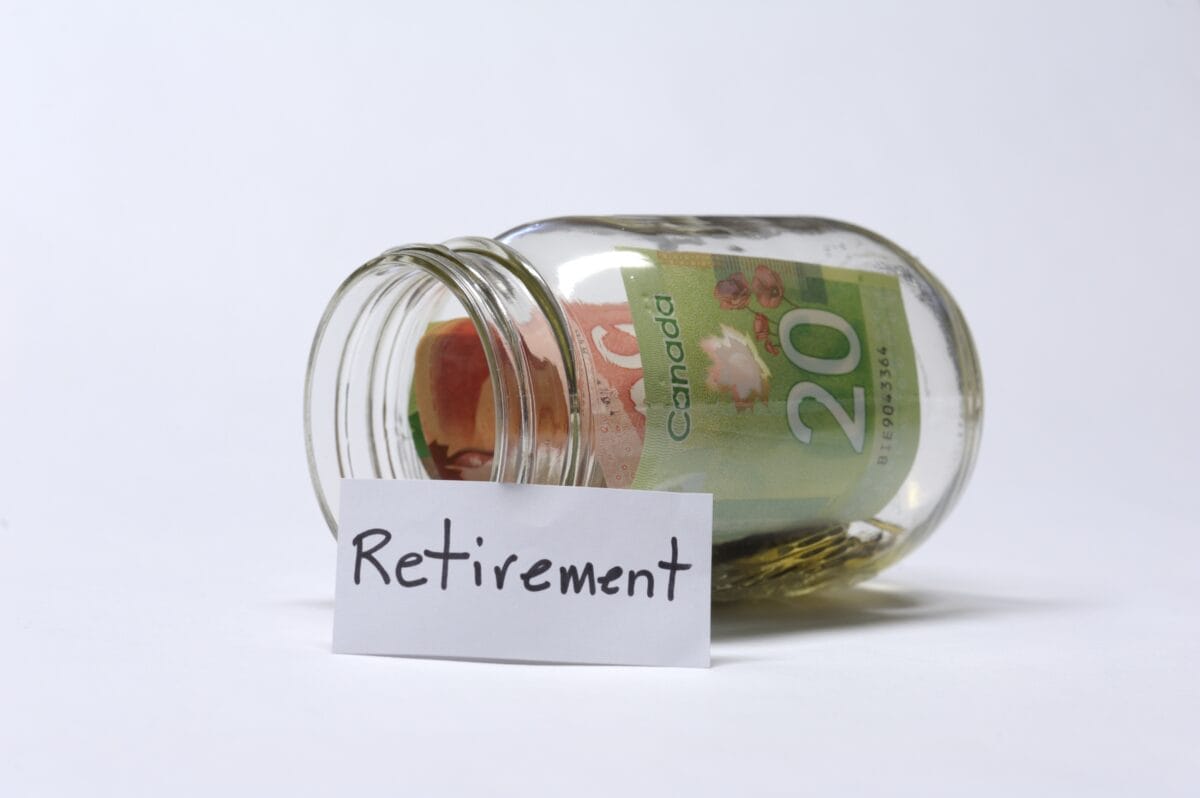
Source: Getty Images
Why six months might not be enough in 2026
The cost of living is one reason I’d favour a larger emergency fund. According to Statistics Canada, the Consumer Price Index rose 3.0% year over year in August 2026. Transportation costs increased 7.5%, while grocery prices climbed another 2.8%.
For Ontario residents, housing remains particularly important. Statistics Canada reported that rents in the province rose another 2.4% year over year in August. Whether you’re renting in Toronto or carrying a mortgage elsewhere in the province, housing can consume a substantial portion of your monthly budget.
There’s also the employment picture to consider. Canada unexpectedly lost 68,300 jobs in September, following a decline of 41,700 in August, while the unemployment rate increased to 6.5%. That’s a reminder that finding another job may take longer than anticipated.
Why I’d Aim for One Year of Expenses
For someone with stable employment, few dependents, and relatively low fixed expenses, six months of savings might still be sufficient. But personally, I think 12 months is a more reassuring target, particularly for homeowners and households relying heavily on one income.
Suppose your essential monthly expenses total $3,000. A six-month emergency fund would require $18,000, while a full year would mean $36,000. That’s a meaningful difference, but it also provides substantially more time to recover from a prolonged period without income.
I wouldn’t expect everyone to save $36,000 immediately. Start by accumulating one month of essential expenses, then 3 months, 6 months, and eventually 12 months. Automating transfers after every payday, directing tax refunds and bonuses toward savings, and keeping lifestyle inflation under control can all help.
Just as importantly, I’d keep that money somewhere liquid and relatively safe rather than investing it in stocks. A CDIC-covered high-interest savings account outside of the big banks is a sensible option.
For example, Wealthsimple currently offers 2.5% annual interest on its Savings account, with no minimum balance or monthly account fees. Withdrawals are available without penalties, although transfers to external banks may take additional time. The rate is variable, and interest earned in this non-registered account is taxable.
Ultimately, I wouldn’t treat 12 months as a universal requirement. But given today’s cost of living and employment uncertainty, I think it’s a worthwhile goal for Canadians who can afford to build that additional cushion.