Imagine earning $1,000 in dividend income, only to discover that $850 has actually made its way into your account. What happened to the other $150? Unfortunately, even a Tax-Free Savings Account (TFSA) can’t protect Canadians from every tax out there. American dividend stocks can come with a tax bill that many investors overlook. Yet before you start selling off your favourite American stocks, there could be a much easier way to keep more of that money for yourself.
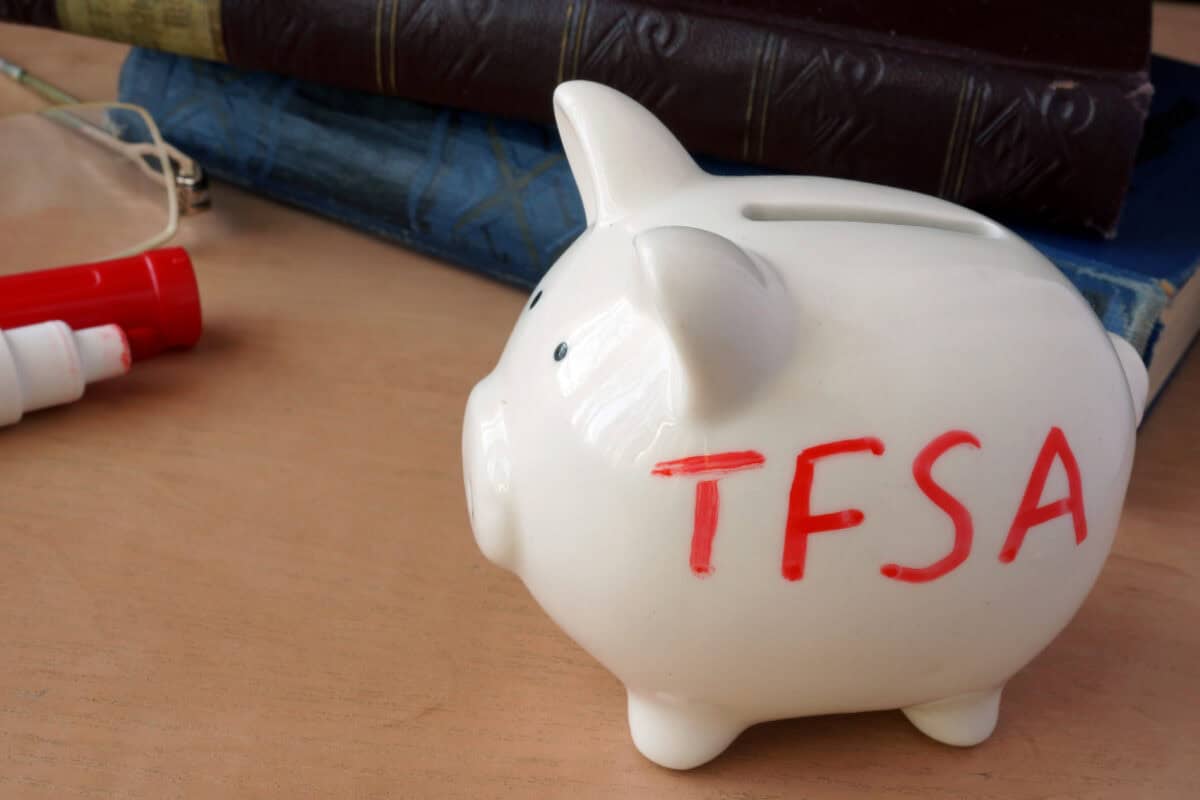
Source: Getty Images
What happened?
Canadian investors generally face a 15% withholding tax on dividends from American stocks when eligible for the treaty rate. While the Canadian government allows eligible investments to grow tax-free inside a TFSA, the American government doesn’t offer Canadians the same luxury. Furthermore, investors generally can’t claim that withholding tax back when the shares are held inside a TFSA.
What’s particularly interesting is that Canadians could own the exact same American stock inside an eligible Registered Retirement Savings Plan (RRSP) and generally avoid that withholding tax. However, be careful with exchange-traded funds (ETFs). A Canadian-listed ETF holding American stocks could still incur withholding taxes, even when held inside your RRSP.
So, what could Canadians purchase for dividend income in their TFSA instead? I’d consider Royal Bank of Canada (TSX: RY). Despite having operations south of the border, the bank pays Canadian-source dividends, allowing TFSA investors to keep the entire payment.
Making money
Royal Bank has certainly given investors plenty to be pleased about. The bank generated $20.4 billion in net income during fiscal 2025, with its latest third-quarter adjusted earnings climbing 11% year over year to $4.28 per share. Its quarterly dividend has also increased to $1.76, up from $1.64 declared at the previous fiscal year-end.
Continued growth across its banking and wealth-management businesses could lead to further dividend increases, although rising credit losses could slow that progress.
At writing, Canadians could use $10,000 to purchase 36 shares of Royal Bank, bringing in $253.44 annually inside a TFSA. Every dollar of that dividend can go towards purchasing more shares or covering your expenses.
Keep in mind, however, that the American withholding tax applies to dividend income, not your entire investment. Earning $1,000 in American dividends could cost you $150 annually in withholding taxes. Investing $1,000 in American stocks certainly won’t cost you that much.
Looking ahead
Now, I wouldn’t go selling every American stock in my TFSA simply to avoid a little tax. If you’re investing in a growth stock that pays a tiny dividend, the potential tax savings might barely buy you lunch. Meanwhile, loading up on Canadian banks could expose your portfolio to far more risk than you’re saving in taxes.
Royal Bank isn’t necessarily cheap today, either. Shares trade at about 19 times its 2025 adjusted earnings of $14.43 per share. Yet the bank has delivered a compound annual total return of 16.3% over the last decade.
For Canadians looking to maintain portfolio diversification, it could make sense to hold American dividend stocks directly inside an RRSP while using a TFSA for Canadian dividend income. Here’s how the withholding tax compares.
| ACCOUNT | GROSS U.S. DIVIDEND | U.S. WITHHOLDING TAX | NET DIVIDEND |
|---|---|---|---|
| TFSA | $1,000 | $150 | $850 |
| Eligible RRSP | $1,000 | Generally $0 | $1,000 |
Bottom line
Meanwhile, here’s what a $10,000 investment in Royal Bank could produce if its annualized total return from the last decade repeated for another year, with dividends reinvested.
| COMPANY | RECENT PRICE | SHARES | ANNUAL DIVIDEND | ANNUAL PAYOUT | FREQUENCY | TOTAL INVESTMENT | CASH LEFT | 10-YEAR CAGR | ONE-YEAR GAIN | ENDING BALANCE |
|---|---|---|---|---|---|---|---|---|---|---|
| RY | $272.26 | 36 | $7.04 | $253.44 | Quarterly | $9,801.36 | $198.64 | 16.3% | $1,597.62 | $11,597.62 |
Saving $150 in taxes every year might not sound like much, especially considering that RRSP withdrawals are eventually taxable. Yet over decades of investing, those savings could purchase quite a few additional shares, which could then generate dividends of their own. Choose the businesses you want to own first, then consider which investment account makes the most sense. After all, I’d much rather have those extra dollars working towards my retirement than disappearing before they even reach my account.