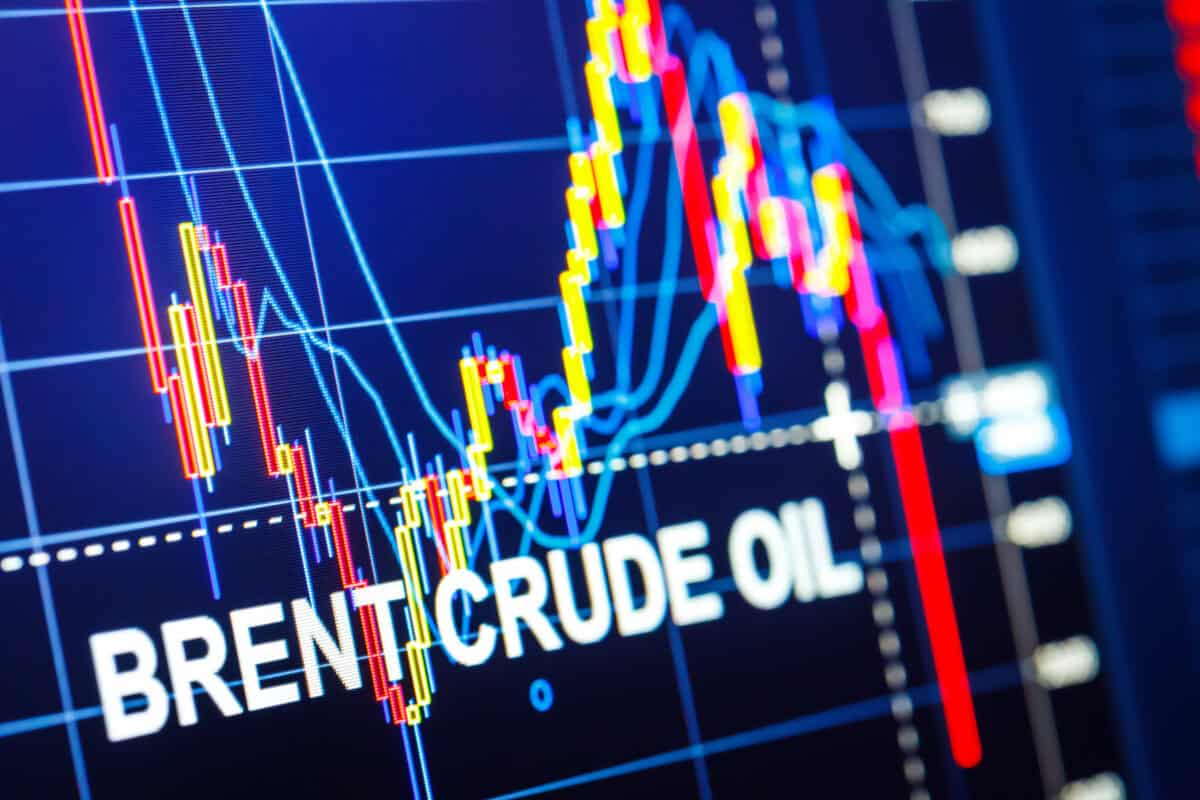
An oil-price drop can make every energy holding look vulnerable at once. A producer receives less for each barrel it sells, and investors quickly start recalculating profits. A pipeline company, meanwhile, has a different starting point.
It earns from moving, storing, and delivering energy under arrangements that often extend beyond the next trading session. The price of a barrel still influences the industry, but it doesn’t determine every dollar of pipeline revenue in the same direct way.
Monday’s retreat in crude prices puts that distinction back in view. Investors seeking income can own energy infrastructure without depending entirely on oil staying expensive. The quality of the contracts and the cost of financing the assets become more useful than a guess about tomorrow’s oil settlement.
Source: Getty Images
Follow the customer payment
A producer sells the commodity. A pipeline operator provides transportation capacity or related services. Some agreements include commitments to pay for capacity, while regulated businesses earn under approved frameworks. The exact protection depends on the asset and the agreement.
Think of a business selling a service under a fixed monthly contract. If its customer’s product price falls, that doesn’t automatically rewrite the service bill. It can still create problems if the customer cuts activity, struggles financially, or has a reason to renegotiate later.
That’s a more accurate picture of resilience than calling pipeline earnings guaranteed. Long-term demand and financially sound customers support the arrangements. An extended industry downturn could eventually affect both.
ENB
Enbridge (TSX: ENB) combines liquids pipelines with natural gas transmission, gas utilities, and renewable power investments. That mix gives it customers and earnings sources beyond the daily oil quote. People still need heating and businesses still need energy delivered.
In the second quarter, the company generated roughly $2.95 billion of distributable cash flow, up from about $2.90 billion. This is management’s adjusted measure of cash available after specified costs. Reported operating cash flow was $4.1 billion, with different accounting and timing effects.
The result provides a concrete example of a large business continuing to generate cash through volatile energy markets. It doesn’t establish that every future quarter will look similar. It does support evaluating the dividend through infrastructure earnings instead of an oil producer’s profit sensitivity.
Enbridge also reaffirmed its full-year outlook. That is management’s expectation, not a guaranteed result, but it gives investors a reference for the business after another quarter of changing market conditions.
Considerations
The company had a $41 billion secured capital backlog. Those projects offer a path to future earnings, while also requiring substantial investment before the full benefit arrives. Existing cash has several jobs beyond shareholder payments.
That is where financing becomes central to the investment. Higher interest costs can make growth less rewarding, and issuing shares can spread future earnings across more owners. A large project list creates value only when the eventual returns justify the funding.
I like Enbridge for a long-term dividend portfolio, with a position sized to leave room for other industries. I wouldn’t buy it as protection against every possible oil shock. Contracts reduce one kind of uncertainty while leaving regulation, construction, debt, and customer risk.
For Canadian investors, that still offers a useful choice. Income can come from serving the energy system instead of extracting the next barrel. A patient holder can benefit when new assets begin earning while existing operations continue supplying cash.
Bottom line
I’d consider Enbridge for energy income built around infrastructure and customer agreements. Its quarterly cash generation supports that view, while the funding demands keep my enthusiasm measured. Oil can fall without breaking the investment case. The reason to own the shares is a business that keeps earning from delivering energy through more than one market mood.