There’s no shortage of demand for more power. Yet there can still be a shortage of cash at the company building the equipment to deliver it. I’d think about that gap before buying a monthly dividend from a power producer with several large projects underway.
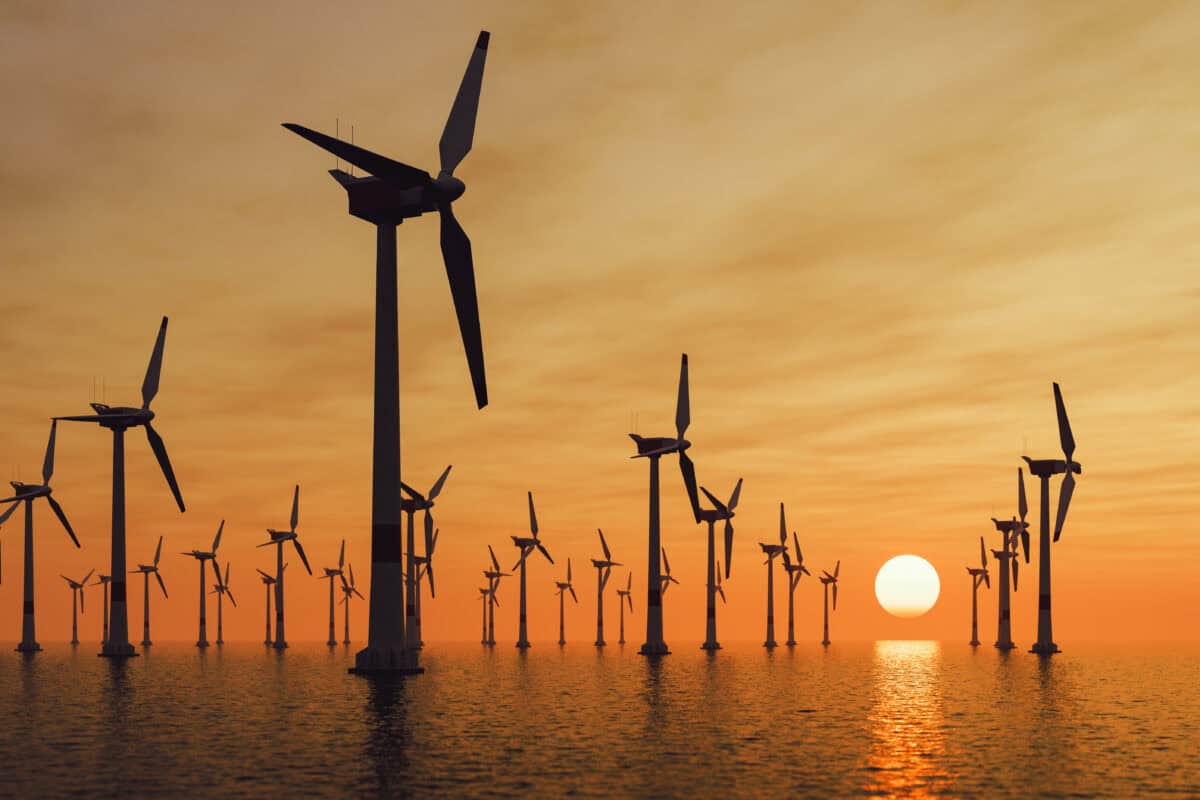
Source: Getty Images
Cash through construction
A power producer can earn from selling electricity under contracts or at market prices. A completed project can send out bills. That said, the one under construction sends them in. That timing can put pressure on the money a company has for dividends even when the project itself makes sense.
Wind output can also change with conditions. A good operating quarter may include stronger wind. A slower one can tell you less about the health of the equipment. I’d look at generation and cash across more than one season. The easiest year to promise a dividend increase is the one when several projects are about to start earning. I’d rather see what those projects deliver when operating costs, financing and the first few months of output are known. Then, I can start to judge what the existing payout leaves in reserve.
A smaller dividend can give a company time to finish work and lower borrowing needs. I’d give it credit when the lower payment leaves room in the cash budget. The first cheque after a reset doesn’t tell me whether that room will last.
A smaller cheque with work to do
Northland Power (TSX: NPI) owns and develops power projects, including offshore wind. It lowered its annual dividend to $0.72, with the new rate starting with the January 2026 payment. I’d use the current $0.06 monthly cheque to decide whether the income is worth owning.
Its second-quarter adjusted operating earnings before interest, taxes and depreciation rose 6%. Free cash flow (FCF) per share fell, with the company pointing to a tax refund that helped the year-earlier comparison. That’s why I’d compare several quarters rather than assume the operating increase is already reaching shareholders.
At $22.78 at writing, the $0.72 annualized rate yields about 3.2%. I wouldn’t buy for the yield alone. The company needs to get projects built and generate enough cash after expenses and financing to support the income over a full year.
Give the next report something to prove
On a $10,000 budget, I could buy 438 shares for $9,977.64 before fees. Those shares could pay $26.28 a month at the current rate.
| COMPANY | RECENT PRICE | NUMBER OF SHARES | ANNUAL DIVIDEND | ANNUAL TOTAL PAYOUT | FREQUENCY | TOTAL INVESTMENT |
|---|---|---|---|---|---|---|
| NPI | $22.78 | 438 | $0.72 | $315.36 | Monthly | $9,977.64 |
Before diving in, look for project spending and cash flow after investment in the same report. A completed project can start billing customers and help the next year’s cash. Construction delays, weather or more expensive financing can push the improvement further out. Northland’s August guidance called for 2026 free cash flow of $1.05 to $1.25 per share on its definition. The $0.72 annualized dividend takes about 58% to 69% of that range. I’d compare the updated outlook with that cushion and check which construction costs the measure includes.
Among monthly dividend stocks, I’d favour holdings where the cash paying me is already easier to see. If I wanted to invest in a recovery inside a Tax-Free Savings Account (TFSA), I’d keep it small enough to give the company time.
Bottom line
I’d wait for better evidence on cash flow. If Northland can get more of its projects earning and keep more cash after the bills, the smaller dividend could become a more convincing reason to buy.