A dividend can cover a monthly bill even if it arrives only four times a year. Your phone company will still want its money every month, which is where a little planning comes in. I’d start by seeing how many shares the goal requires and then decide how much of it I want one business to cover.
Source: Getty Images
Monthly, but make it annual
An average of $300 a month requires $3,600 a year. A portfolio yielding 4% would take $90,000 before rounding. A 5% yield needs $72,000. That difference looks tempting until you have to choose the businesses that would actually pay it.
With a quarterly dividend, I multiply the payment by four to get the annual rate per share. Dividing $3,600 by that rate gives the share count. I’d round up to meet the income target and then work out what those shares cost at a price I can actually pay. I’d also think about how much of the target I could cover with interest or cash savings while I build the portfolio.
That gives me some freedom when share prices rise and the same income target gets more expensive. I can wait for an entry price I like instead of making the whole purchase at once.
I’d also set up a cash balance for the transfers. A quarterly payment can be divided into three monthly withdrawals once it lands. I’d start with enough cash on hand to cover the first few transfers, so a dividend arriving after a bill is due doesn’t cause a problem.
PPL
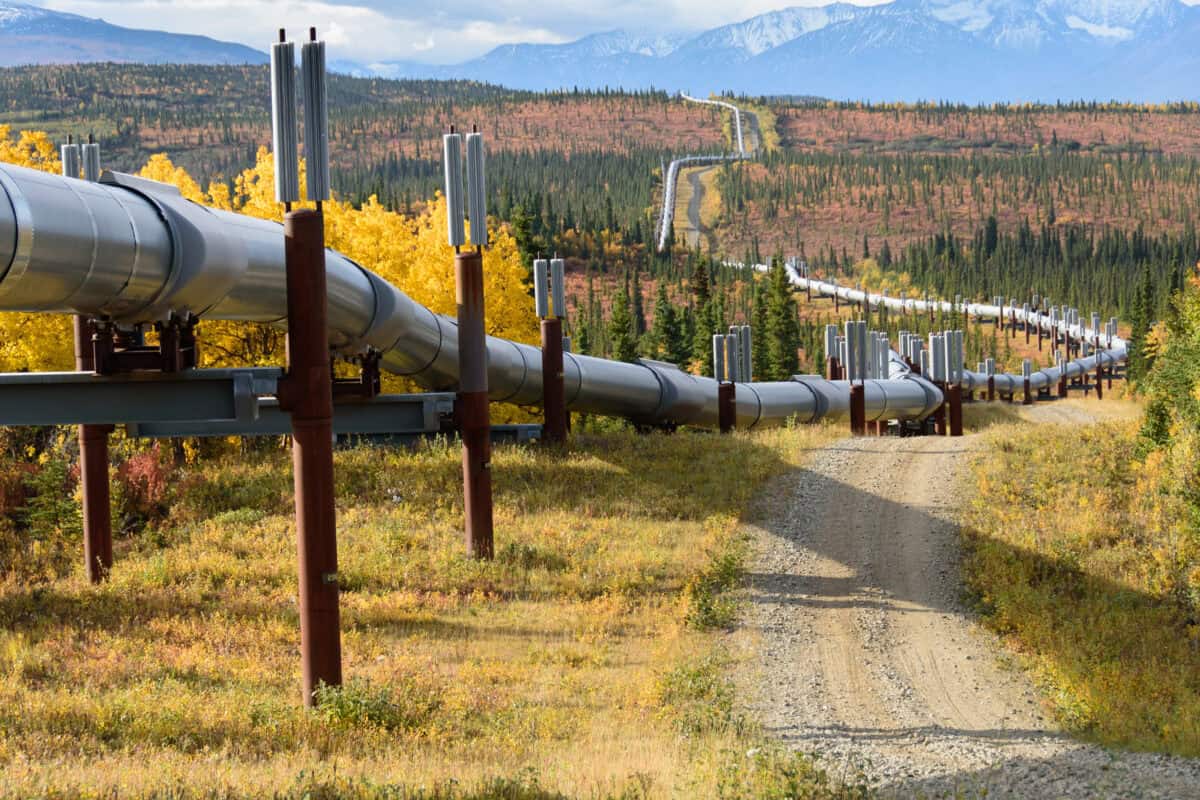
Pembina Pipeline (TSX: PPL) earns from moving and processing energy and from its marketing operations. Pipeline and facilities customers can pay for using assets over time. Marketing can contribute good earnings in a favourable market and leave the results more exposed to changing commodity prices.
Pembina reported third-quarter adjusted cash flow from operating activities of $1.29 per share. The $0.735 quarterly dividend is about 57% of that figure. I’d look across a full year and account for project spending, since cash from operations has other jobs before it reaches shareholders.
The $2.94 annualized dividend yields about 4.2% at $69.50 as of writing. I’d use that starting yield to compare Pembina with other Canadian dividend stocks. Future raises could help cover a bigger bill. The plan needs to work at the payment I can see today.
What the target costs
Divide $3,600 by $2.94 and round up to 1,225 shares. At $69.50, those shares cost $85,137.50 before fees. They’d bring in about $900.38 each quarter at the current rate, or $3,601.50 annually.
| COMPANY | RECENT PRICE | NUMBER OF SHARES | ANNUAL DIVIDEND | ANNUAL TOTAL PAYOUT | FREQUENCY | TOTAL INVESTMENT |
|---|---|---|---|---|---|---|
| PPL | $69.50 | 1,225 | $2.94 | $3,601.50 | Quarterly | $85,137.50 |
I’d be more comfortable making it one part of the plan. A $15,000 budget buys 215 shares for $14,942.50. Those shares could pay $632.10 annually, or about $52.68 a month on average. I could then look for several other sources of the remaining income. There’s another reason to keep the transfer below the exact average. If I get a raise I can put it into the cash buffer, and if I get a cut I have time to adjust. The difference between a fragile plan and a workable one can be a few months of breathing room.
I’d watch project costs and what the company needs to borrow before relying on future increases. If I’m building the position inside a Tax-Free Savings Account (TFSA), I’d confirm there’s room before contributing and leave space for businesses that don’t depend on the same energy cycle.
Bottom line
I’d give Pembina a share of the $300 goal and keep the monthly spending plan in cash. That lets me use the quarterly dividends as they arrive without making one company responsible for the whole bill.