Europe wants dependable energy supplies and a route to net zero. Those goals create room for more than one technology, including power plants that don’t require imported fuel every day. Canada’s Montreal summit partnership kept both priorities in view. One TSX stock already operates European wind assets, giving investors electricity sales to assess before assigning value to any new alliance project.
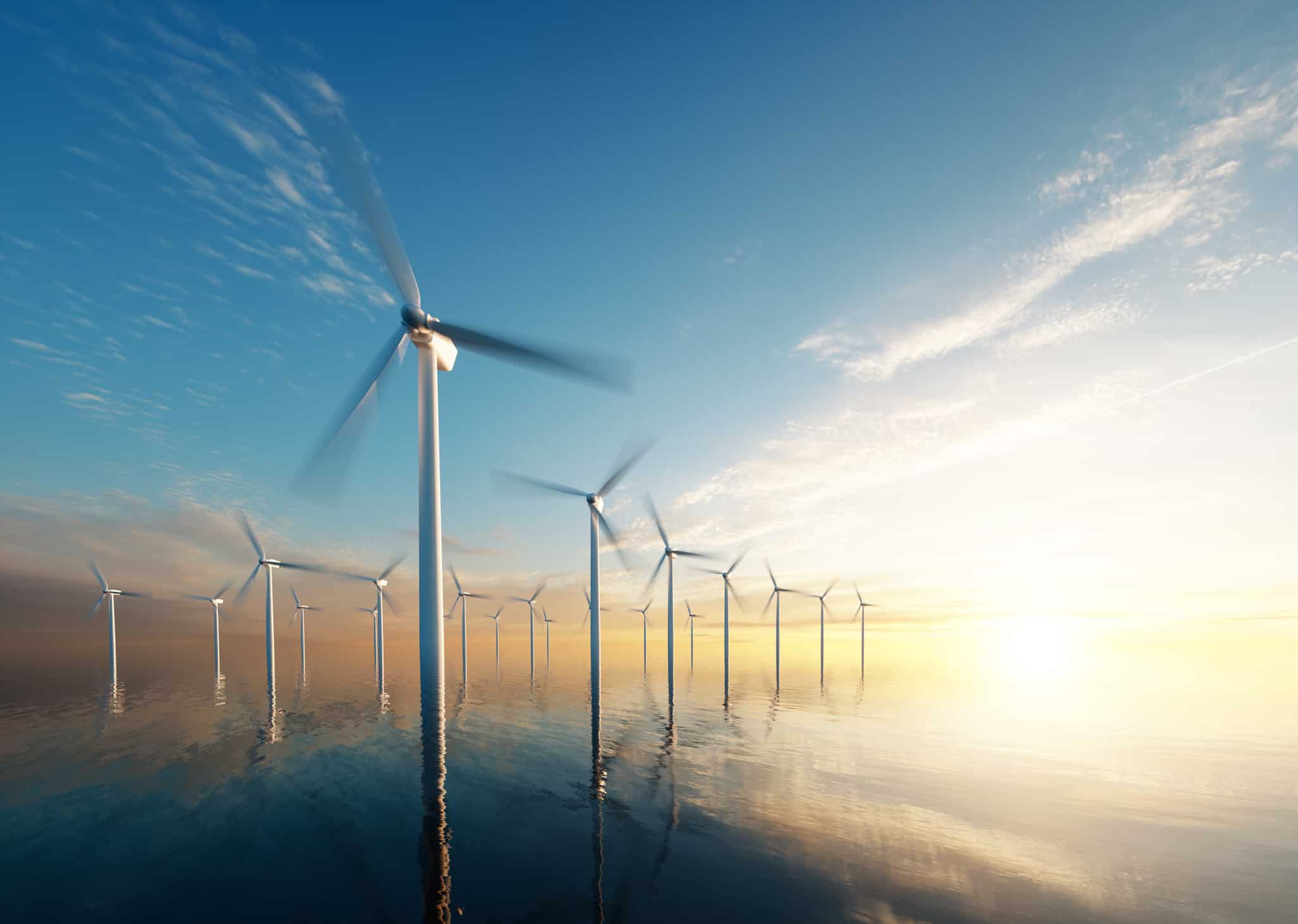
Image source: Getty Images
Security includes electricity
A joint statement describes the Canada–EU Green Alliance as its “compass” for decarbonization and competitiveness. It also includes LNG, nuclear, grids, and clean technology within the relationship. That isn’t a promise that one source will replace every other. It supports a wider investment need as countries work to make their energy systems more dependable and less emissions-intensive.
Wind farms can help reduce reliance on imported fuels, while variable generation means they work alongside networks, storage, and other power sources. A windy quarter isn’t guaranteed. Neither is the price earned on electricity sold outside long-term contracts. Investors need the business arrangements that turn a useful asset into a repeatable financial return.
For a Canadian shareholder, an existing European operator provides a direct connection. It already has facilities, customers, and experience working under local rules. New cooperation could widen future opportunities, but the current assets supply a better basis for the purchase. They show how the company earns before the next project needs years of development spending.
Already producing in Europe
Northland Power (TSX: NPI) owns offshore wind interests in Germany and the Netherlands, alongside other international power assets. Its European business makes the summit’s energy direction relevant without requiring a new market entry. The company also has development exposure in Poland, adding an opportunity to earn from more electricity infrastructure as projects move towards full operation.
In its August update, Northland reported first power from Baltic Power in Poland and construction underway on two Polish battery projects totalling 300 megawatts (MW). Those are company milestones from that update, with completion and commercial operation still separate steps. A plant producing its first electricity has made progress, while full contracted cash generation needs further delivery.
That gives the investment a growth route rooted in identifiable assets. I’d still treat construction spending and financing as part of the price of getting there. Equipment, installation, and commissioning costs arrive before the entire revenue stream. A useful renewable asset can become a disappointing investment if shareholders have to pay too much to finish it.
Keep the income realistic
Second-quarter free cash flow under Northland’s measure was $0.09 per share, below $0.22 a year earlier. The previous period included a German tax benefit, making the comparison less straightforward than a sudden collapse in operations. Even so, the quarter’s $0.18 of declared dividends exceeded that cash figure. Annual cash generation provides a more useful view than assuming each quarter covers itself.
Using the $0.06 monthly rate reflected in that update, the annualized payment is $0.72. At a recent $21.95 close, that’s about 3.3%. A $10,000 budget therefore buys 455 shares for $9,987.25 and would generate $327.60 annually if maintained. That’s $27.30 monthly, with $12.75 left before fees.
| COMPANY | RECENT PRICE | NUMBER OF SHARES | ANNUAL DIVIDEND | ANNUAL TOTAL PAYOUT | FREQUENCY | TOTAL INVESTMENT |
|---|---|---|---|---|---|---|
| NPI | $21.95 | 455 | $0.72 | $327.60 | Monthly | $9,987.25 |
I’d take a small position for income and project growth within a diversified portfolio. Interest costs, weak wind, and construction problems could reduce the return. I’d give cash after investment more weight than the appeal of a monthly dividend. Finishing projects on sensible terms and receiving the resulting cash would make me more comfortable adding than a broad promise of policy support alone.
Bottom line
Northland already has the European power exposure many summit ideas still need to build. I like that existing business and the potential for new assets to contribute, with a modest purchase reflecting the funding risks. Europe can pursue security and lower emissions together. The shareholder reward comes when a company serving those goals also earns enough cash to support its owners.