There’s a stretch of time between a politician holding a shovel and anyone doing much with the project. Investors don’t have to guess which project will grab the biggest headline. They can look at the suppliers that get paid once work actually starts and keep earning after the ribbon is cut.
Source: Getty Images
Follow the orders
A construction plan needs approvals, money and a contractor. Canada’s Major Projects Office can help advance projects, but a referral isn’t the same as a contract to buy equipment. I’d look for orders before assigning a company any profit from a proposed build.
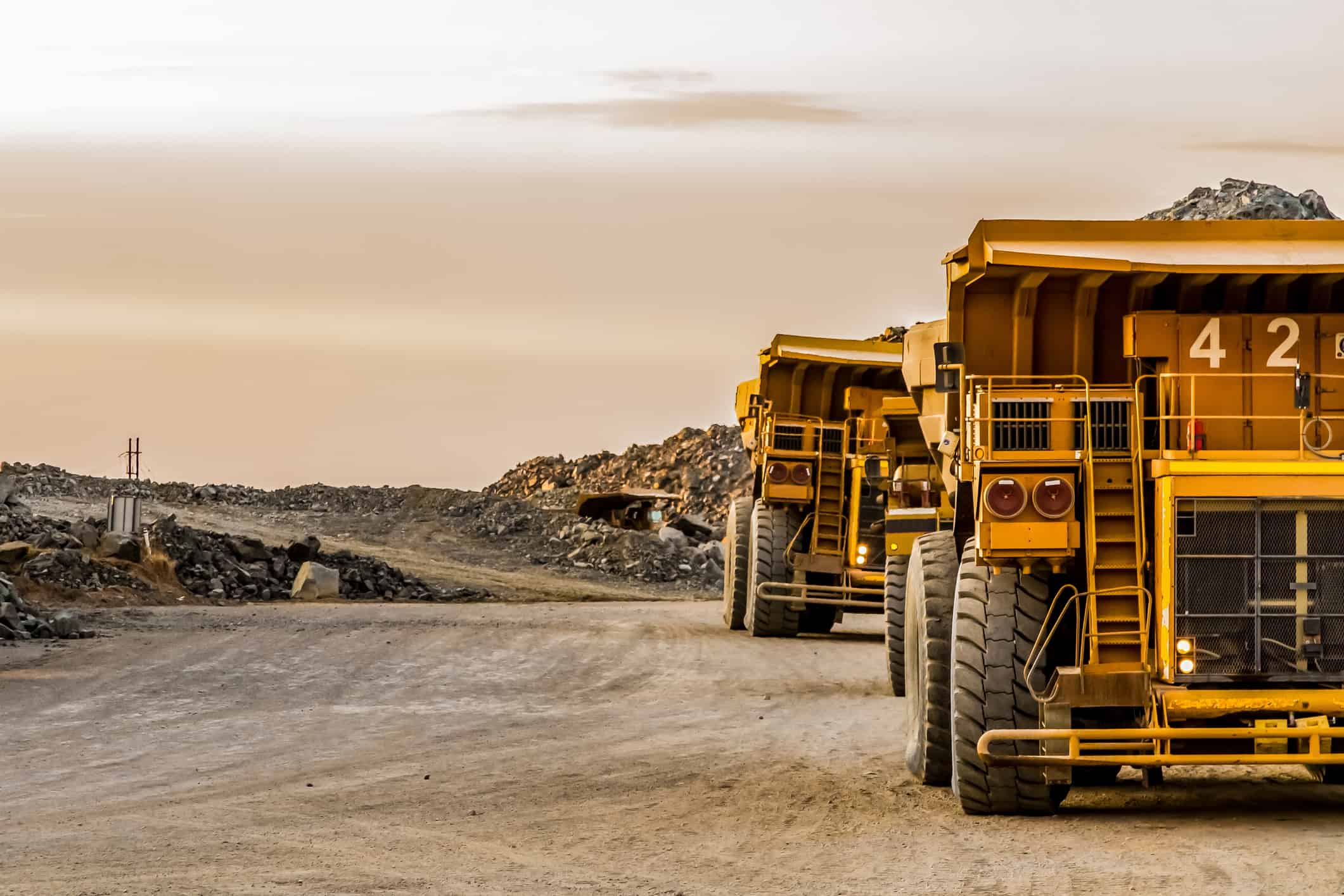
Heavy equipment can create two sources of revenue. There’s the initial sale or rental. Once the machine is working, it needs parts and maintenance. A fleet that stays in use can keep the dealer busy long after the original purchase is booked. I’d look for demand that survives a pause in new orders. A customer who has already bought equipment still needs parts when a machine breaks. That makes the size and use of the fleet a second source of evidence alongside the order book.
The order backlog shows equipment customers have ordered and the company hasn’t yet delivered. It can help a dealer plan. I’d watch deliveries and cash collection too, since stocking the right machines costs money before customers start paying for them.
FTT
Finning International (TSX: FTT) sells and services Caterpillar equipment across Western Canada and in other markets. It serves mining, construction and other customers. That mix gives it a way to earn from Canadian building plans without depending entirely on the government’s timetable.
Its November 10 results showed a record $4.1 billion equipment backlog, up 42% from a year earlier. Management also discussed a Canadian data-centre backup power order. I’d give it credit for the order, then look for evidence of more demand without treating the whole data-centre buildout as already won.
Quarterly earnings rose to $1.20 per share. I’d like to see more orders turn into profit and a larger pool of equipment that needs servicing. The installation can make one good quarter. Years of service calls can make a better case for owning the company. I’d look for growth in product support sales, particularly if some of the new machines go to work on sites that run around the clock.
Considerations
Finning closed at $89.08 at writing. At an illustrative 18 times annual earnings, the price requires about $4.95 per share. I’d compare that hurdle with what the company earns through a full cycle. The latest quarter is a starting point, particularly when buying equipment can be put off.
A big backlog is encouraging, and I’d still follow inventory and receivables. If machines are waiting on a delayed site or the company hasn’t collected payment, an order can tie up cash for longer. I’d look for a quarter where strong deliveries come with healthy cash collection. I’d also compare the next quarter with the year so far. An increase in one order category is encouraging. If other customers are postponing purchases at the same time, the business may need to work harder to turn a bigger backlog into stronger earnings per share.
There’s also more to Finning than Canadian construction. Mining cycles and decisions in its other markets can shift the results. If I buy inside a Tax-Free Savings Account (TFSA), I’d keep it alongside Canadian stocks with customers who aren’t making the same spending decisions.
Bottom line
I’d consider Finning at a price that works before giving credit for every proposed project. The more machines the company can put to work and service profitably, the stronger the case gets for owning it after the headlines move on.